


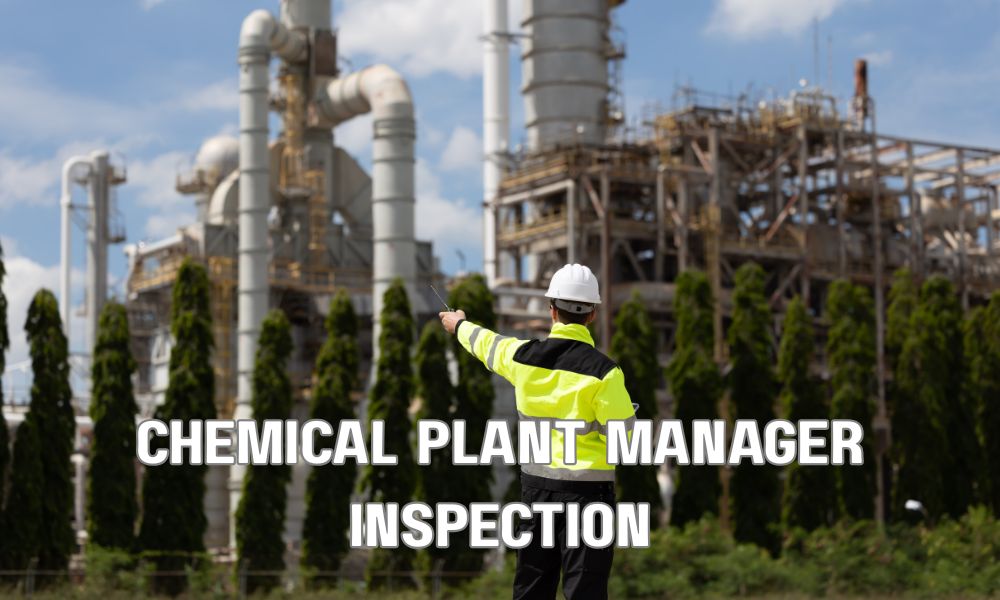
At JRG Partners, we run searches like this across the industry, so this field guide distills what actually separates a strong hire from a costly mismatch. Hiring a Plant Manager for a chemical plant demands someone who makes process safety the paramount priority, commands complex continuous or batch chemical processes, and navigates heavy environmental and safety regulation, not a plant manager from discrete manufacturing unfamiliar with process safety and chemical operations. This guide lays out what a chemical plant manager specifically needs.
Key Takeaways
- A chemical plant manager must make process safety the paramount priority.
- Complex chemical processes (continuous or batch) require specific expertise.
- Heavy environmental, health, and safety regulation governs chemical operations.
- Process safety management (PSM) is central, given catastrophic-risk potential.
- A discrete-manufacturing background may misjudge process safety and chemical operations.
Why a Chemical Plant Manager Is Different
Chemical manufacturing carries catastrophic-risk potential, so process safety is paramount: a chemical plant handles hazardous processes and materials where a failure can be catastrophic, governed by heavy environmental, health, and safety regulation and process safety management (PSM) requirements. The plant manager must make process safety the foundation of everything, command the complex continuous or batch chemical processes, and ensure rigorous environmental and safety compliance. A plant manager from discrete manufacturing may underestimate process safety and the complexity of chemical operations, which is why chemical-relevant, process-safety-grounded leadership matters. In chemicals, safety and operations are inseparable and the stakes are exceptionally high.
Process Safety Above All
The paramount responsibility in a chemical plant is process safety: preventing catastrophic incidents through rigorous process safety management, hazard control, and safety culture, since the consequences of failure, to people, environment, and the business, can be severe. This sits above output and cost. A chemical plant manager who commands process safety management and makes it the non-negotiable foundation brings capability essential to the sector; one who treats safety as secondary to production endangers everything. Weight process safety management (PSM) experience and a genuine safety-first orientation heavily, since in chemicals it is existential.
Chemical Process and Regulatory Command
Beyond safety, the chemical plant manager must command the complex chemical processes, continuous or batch chemistry, reactions, and the technical operation of the plant, and navigate heavy environmental and safety regulation (EPA, OSHA PSM, and more). This requires genuine chemical process and regulatory expertise that discrete manufacturing does not develop.
A plant manager experienced in chemical process operations and the environmental and safety regulatory environment brings capability the sector requires; one from discrete manufacturing may misjudge the process complexity and regulatory intensity. In assessment, probe the candidate’s process safety, chemical process, and regulatory experience specifically.
The Profile to Look For
- Chemical or process manufacturing plant leadership experience.
- A paramount, genuine commitment to process safety (PSM).
- Command of complex continuous or batch chemical processes.
- Fluency in environmental, health, and safety regulation (EPA, OSHA PSM).
- A safety-first orientation that puts process safety above output.
Red Flags to Watch For
- A discrete-manufacturing background unfamiliar with process safety and chemical operations.
- Treating process safety as secondary to production.
- No experience with process safety management (PSM).
- Unfamiliarity with chemical processes and their technical operation.
- Underestimating the environmental and safety regulatory intensity.
The Bottom Line
A chemical plant manager must make process safety paramount, command complex chemical processes, and navigate heavy environmental and safety regulation, so hire for chemical-relevant, process-safety-grounded leadership, not a discrete-manufacturing background that may misjudge process safety and chemical operations. Hire for the specific demands of this role in this industry, and the rest of the leadership equation gets easier.
Related Reading
For employers going deeper, see Plant Manager Salary Guide 2026, Plant Manager Job Description Template, How to Hire a Plant Manager for a Automotive supplier.
Frequently Asked Questions
- Q: What makes a chemical plant manager different?
- A: Chemical manufacturing carries catastrophic-risk potential, making process safety paramount, alongside complex chemical processes and heavy regulation, demands a discrete-manufacturing background may misjudge.
- Q: Why is process safety paramount?
- A: Because a chemical plant handles hazardous processes where a failure can be catastrophic to people, environment, and the business, so process safety is the non-negotiable foundation.
- Q: What is process safety management (PSM)?
- A: A rigorous framework for preventing catastrophic chemical incidents through hazard control and safety systems, central to chemical plant operations.
- Q: What regulations govern chemical plants?
- A: Heavy environmental, health, and safety regulation including EPA requirements and OSHA process safety management, which the plant manager must navigate.
- Q: Can a discrete-manufacturing plant manager run a chemical plant?
- A: Only with genuine process safety and chemical process expertise; a discrete-manufacturing background may underestimate the process safety and operational complexity chemicals require.

Tanya Gallardo
Managing Director, Executive Search & AI Talent Strategy
Tanya Gallardo is the Managing Director of Executive Search & AI Talent Strategy at JRG Partners, leading C-suite and Board engagements across key growth sectors including Technology, Financial Services, and Manufacturing.
With over 18 years of experience specializing in disruptive technology leadership, Tanya is recognized as a leading authority on talent architecture for future-focused executive roles, such as the Chief AI Officer (CAIO) and Chief Digital Officer (CDO). Her expertise lies in accurately assessing the cultural fit and technical depth required to ensure a high return on investment (ROI) for critical leadership appointments.
Prior to her role at JRG Partners, Tanya held senior roles directing global talent acquisition strategies at a major publicly-traded technology firm, advising on organizational design and succession planning for emerging executive functions. She is a recognized speaker and contributor to industry events, sharing data-driven insights on executive compensation, leadership development, and the measurable business impact of C-suite talent.
