


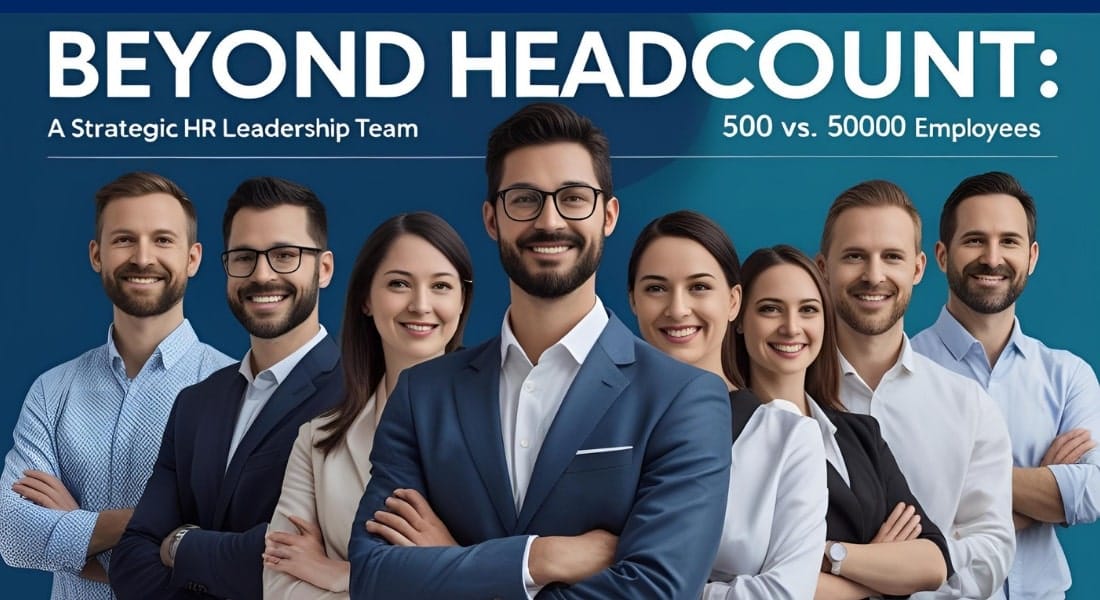
As a company grows from 500 to 5,000 employees, the demands on its HR function evolve dramatically. What works for a lean, agile team at 500 employees—a small group of versatile generalists—will inevitably break under the weight of complexity, scale, and specialized needs at 5,000 employees.
Category Archives: HR Employment Resources
HR Employment Resources
The “Building an HR Function” Interview: Questions that Reveal a True HR Founder

20
Aug
Aug
Hiring an HR leader for an established company is one thing; hiring someone to build an HR function from scratch is an entirely different challenge. The first HR hire in a startup or fast-scaling organization is not simply a manager—they are the architect of the company’s people infrastructure. They define culture, create processes, and set the stage for sustainable growth.

20
Aug
Aug
Many founders and executives view HR hires as a “cost center”—a line item that reduces profits rather than drives growth. While it’s true that hiring a senior HR leader requires a significant financial commitment, this perspective misses the bigger picture. A strategic HR leader is an investment in the company’s most valuable asset: its people.
20
Aug
Aug
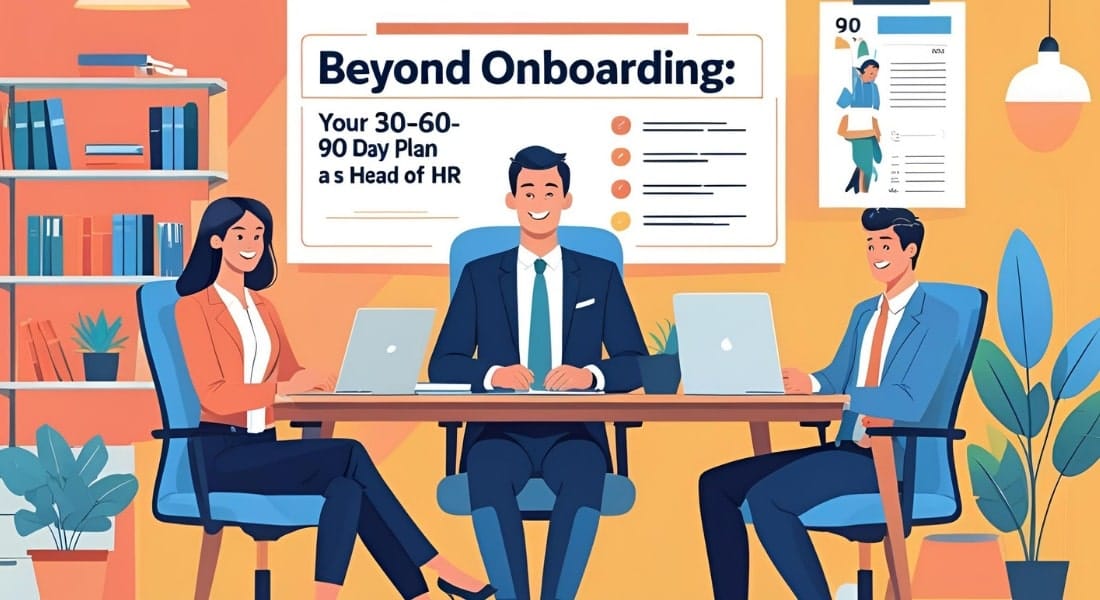
The first 90 days in any leadership role are often described as critical for establishing credibility, building relationships, and laying the foundation for long-term success. For a Head of HR, these days carry unique significance. Success isn’t measured by immediate transformation but by how effectively the new leader understands the organization, gains trust, and identifies key opportunities to drive value.
20
Aug
Aug
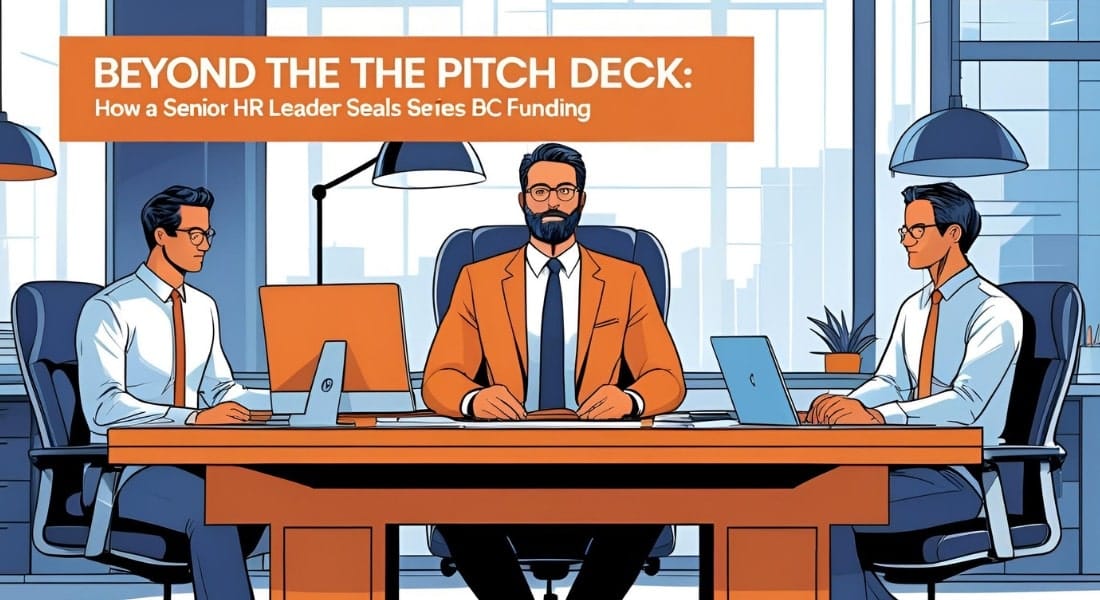
For startups, securing Series A funding often hinges on the novelty of the idea, the founding team, and early market validation. By the time a company reaches Series B or C, however, investors’ focus shifts dramatically. They are no longer just betting on potential—they are betting on a scalable, sustainable business model capable of executing at speed.
HR Employment Resources
What’s the Difference Between a Tactical HR Manager and a Strategic HR Executive?
20
Aug
Aug
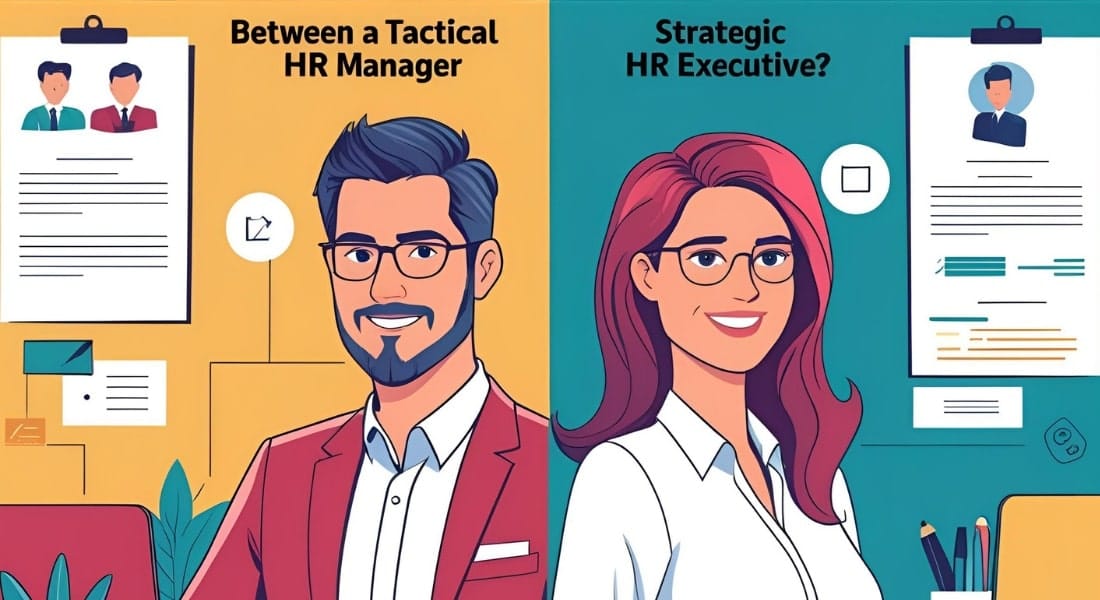
The role of Human Resources has undergone a profound transformation over the past few decades. What was once considered a purely administrative function—handling payroll, managing benefits, and enforcing policies—has evolved into a strategic partner that drives business growth and organizational success. As HR takes on this expanded role, distinct responsibilities emerge within the profession.
20
Aug
Aug
Are you copy-pasting a generic “HR Manager” JD from a Fortune 500 and hoping it will land you a builder for a 50-person rocket ship?. That’s a critical mistake. The role you need isn’t a rule-enforcer who updates policies on Fridays—it’s the architect of your company’s future.
HR Employment Resources
When to Hire Your First Head of People: 5 Signs Every Startup Founder Must Recognize

20
Aug
Aug
Does your calendar look more like an HR manager’s than a CEO’s?. Between onboarding new hires, settling disputes, and managing compensation questions, many founders wake up to find that they’ve unintentionally become their company’s default Head of HR. For the first 15–20 employees, this “do-it-all” approach can work.

19
Aug
Aug
Your company is scaling fast. The HR processes that worked for 30 employees are now breaking at 80. Payroll feels chaotic, managers are improvising performance reviews, and compliance concerns are creeping in. You know it’s time to bring in a true HR leader.