



The business landscape is shifting faster than ever. From the rise of artificial intelligence to the explosion of workforce data, the ways organizations manage people are being transformed. While the fundamental mission of HR—attracting, developing, and retaining top talent—remains constant, the strategies and tools for achieving it have evolved dramatically.
Category Archives: HR Employment Resources
HR Employment Resources
Navigating a Secret: How to Conduct a Confidential Executive Search While the Current Leader is Still in the Role

21
Aug
Aug
Few leadership challenges are as high-stakes—or as delicate—as conducting a confidential executive search while the current leader is still in place. Whether the reason is succession planning for an upcoming retirement, unresolved performance concerns, or a significant strategic shift, the process requires absolute discretion.

21
Aug
Aug
For many founders, the first HR hire is more than just an employee—they’re a trusted partner who helped build the company from the ground up. This person likely shepherded the organization through its earliest stages, setting up policies, handling sensitive employee issues, and ensuring compliance.

21
Aug
Aug
Diversity, Equity, and Inclusion (DE&I) is no longer a side project or a compliance box to tick—it’s a critical business imperative. Companies that prioritize DE&I are more innovative, attract stronger talent, and are better positioned to win in diverse global markets. Yet, in many organizations, the Head of DE&I reports into Human Resources, limiting the function’s reach and influence.
HR Employment Resources
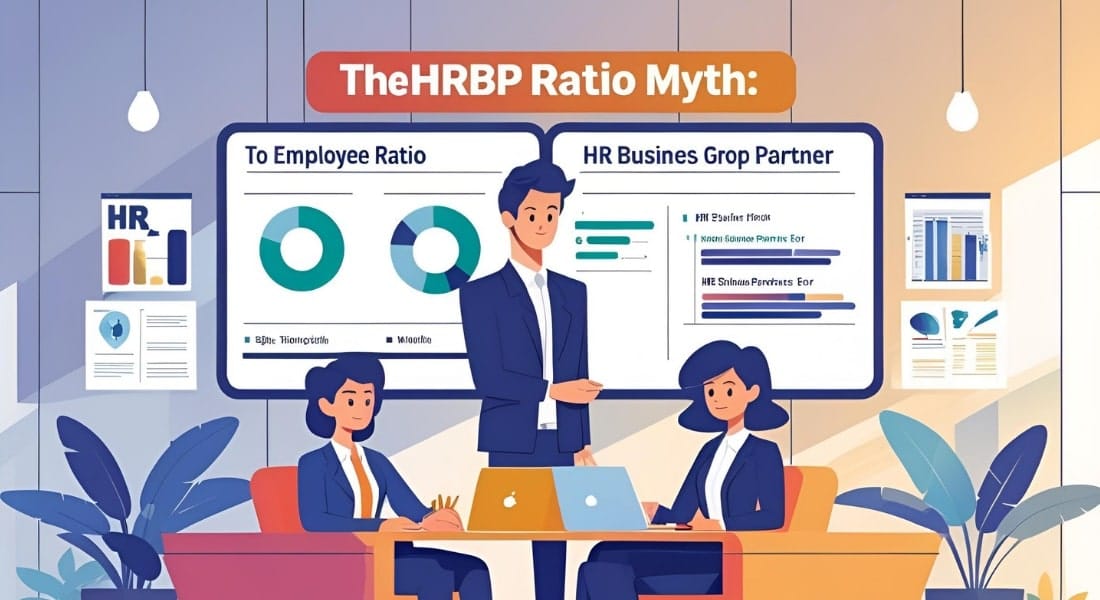
The HRBP Ratio Myth: Finding the Right HR Business Partner to Employee Ratio for Your High-Growth Company
21
Aug
Aug
Every scaling leader eventually asks the same question: “What’s the right HR Business Partner to employee ratio for my company?” It sounds like a simple question with a simple answer, but the truth is there’s no magic number. Chasing a benchmark without context is a fool’s errand.
21
Aug
Aug
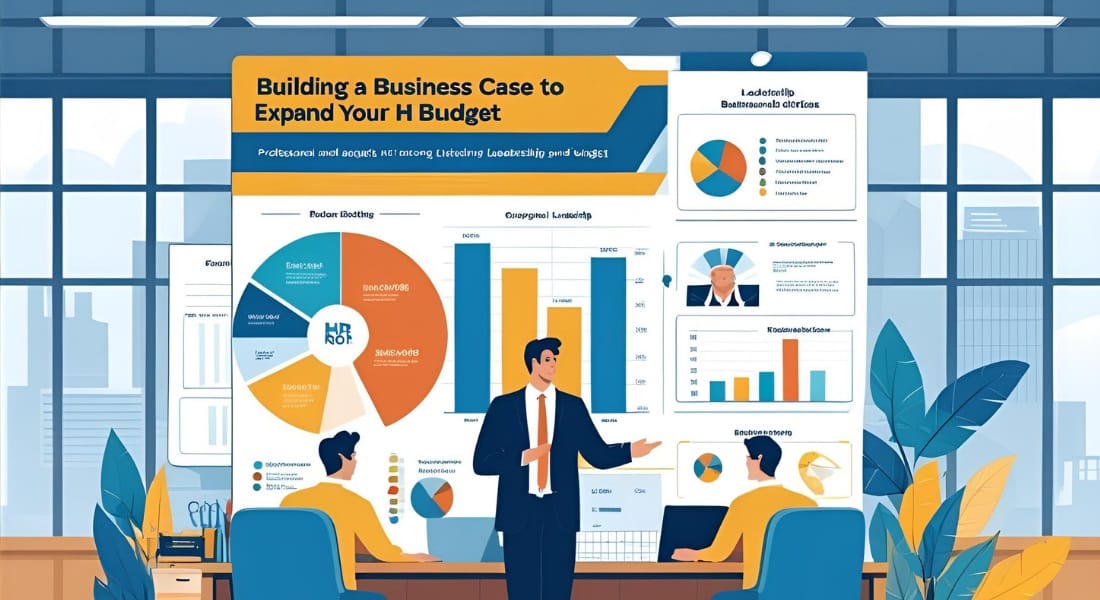
For decades, HR has carried the reputation of being a cost center—necessary for compliance, payroll, and hiring logistics, but rarely viewed as a driver of revenue or growth. This perception is not only outdated but dangerous. In today’s environment, where talent is the most critical differentiator, HR is not just about managing people—it is about building competitive advantage.
HR Employment Resources
The Culture Code: What are the Challenges of Scaling Company Culture, and Who Owns It?
21
Aug
Aug
In the earliest days of a company, culture feels like magic. It’s the unspoken glue that binds a small team together—the inside jokes, the late-night brainstorms, the shared sense of purpose. Everyone knows why the company exists, and passion carries the business forward.

20
Aug
Aug
Expanding into new international markets is one of the most exciting milestones for any company. Entering a foreign market opens opportunities for growth, revenue diversification, and access to global talent. Yet, amid the excitement of identifying product-market fit, navigating regulatory approvals, and securing partnerships, one of the most complex and often underestimated challenges is managing the people side of the.

20
Aug
Aug
Over the past decade, the role of HR has undergone a remarkable transformation. What was once widely viewed as a “cost center” responsible for administrative tasks, payroll, and compliance has evolved into a strategic function capable of driving business outcomes, fostering innovation, and shaping company culture.
HR Employment Resources
The HR Specialist: When to Hire a Head of Talent Acquisition or Director of Total Rewards

20
Aug
Aug
For many founders and CEOs, the HR function starts lean—a generalist HR leader who can handle recruiting, employee relations, performance management, and benefits administration. Early on, this approach works well, keeping costs low while providing adequate coverage. However, as the company grows rapidly, the systems and processes that once sufficed begin to strain under increased headcount, complexity, and competitive pressures.