


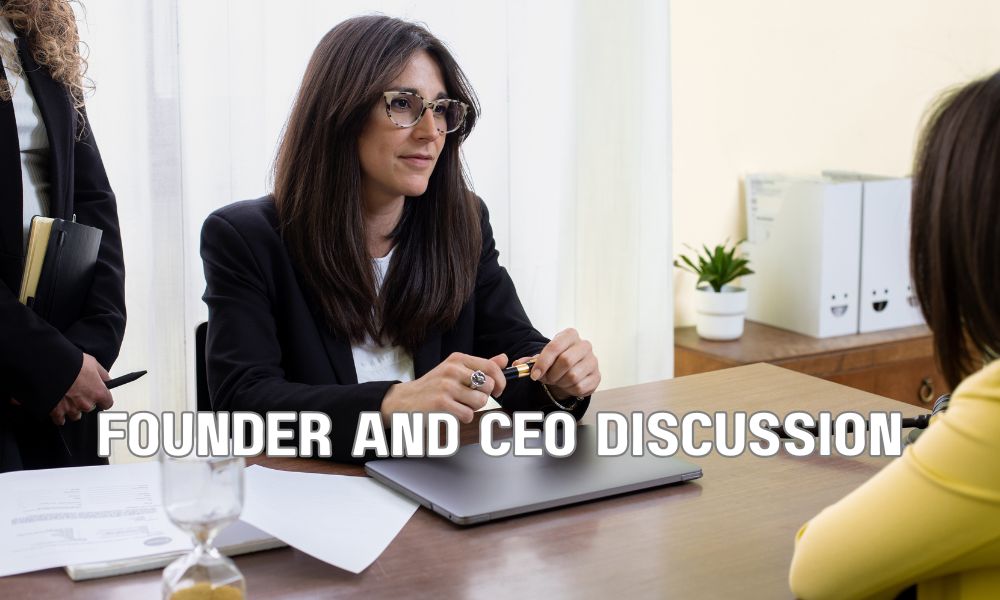
As Global Head of Research & Leadership Advisory at JRG Partners, I have watched this play out across hundreds of executive searches, and the pattern is clear enough to write down. A company hires a seasoned executive to bring professional leadership, and within months the new executive and the founder are locked in conflict that threatens both. It is one of the most common and destructive patterns in executive hiring. Founder-executive clashes stem from predictable tensions that can be anticipated and mediated, but rarely are, and managing them well determines whether a promising hire survives.
Key Takeaways
- Founder-executive clashes are among the most common, destructive hiring failures.
- They stem from predictable tensions: control, pace, style, and identity.
- The conflict threatens both the new executive and the company, not just one side.
- Anticipation, clear expectations, and active mediation prevent and resolve clashes.
- Both founder and executive, and often the board, have roles in making it work.
Why Founders and New Executives Clash
Founder-executive clashes arise from structural tensions, not personal failings. Founders built the company, hold deep attachment and instinctive control, and often struggle to cede authority to the very executive they hired to take it. The new executive arrives to lead but finds their mandate contested, their approach questioned, their authority undermined. These tensions, over control, pace, style, and identity, are predictable and structural, which means they can be anticipated and managed, though they rarely are, leading to the clashes that destroy so many founder-executive relationships.
The Control and Identity Tension
At the heart of the clash is control and identity. The founder’s identity is bound up in the company, and ceding authority can feel like losing part of themselves, so they resist even the delegation they intellectually intended. The new executive, hired to lead, needs the authority to do so and is frustrated when it is withheld. This tension, the founder’s difficulty letting go versus the executive’s need for real authority, underlies most founder-executive conflict, and addressing it directly is central to resolution.
Anticipating the Predictable Tensions

Because the tensions are predictable, they can be anticipated. Before and during the hire, the founder and executive can discuss explicitly how authority will be shared, what the founder will and will not control, how they will handle disagreement, and how the transition of leadership will work. Clear, honest expectations set upfront prevent many clashes, or at least give the parties a framework for the ones that arise. The failure to anticipate, treating the tensions as if they will not appear, is what lets them escalate into destructive conflict.
Mediating an Active Clash
When a clash is underway, active mediation, often involving the board or a trusted third party, can resolve it. Mediation surfaces the underlying tensions, control, pace, style, helps each party understand the other, and negotiates a workable arrangement of authority and approach. Left unmediated, clashes escalate until one party, usually the new executive, leaves, wasting the hire and often the founder’s intent. Skilled mediation can convert a destructive clash into a functional, if imperfect, working relationship, saving a promising hire.
The Board’s Role
The board often has a crucial role in founder-executive dynamics, as the body that can hold the founder accountable to the delegation they committed to, support the new executive’s authority, and mediate when needed. A board that recruited an executive to professionalize leadership, then stands aside while the founder undermines them, has failed both. An engaged board sets expectations, supports the arrangement, and intervenes constructively when the clash threatens the hire, playing a role neither the founder nor the executive can play alone.
What This Looks Like in Practice
In practice, managing founder-executive clashes means anticipating the predictable tensions before and during the hire, discussing explicitly how authority will be shared and disagreements handled, and, when a clash arises, mediating it actively, often with board involvement, to surface the underlying issues and negotiate a workable arrangement. The board holds the founder to their commitment to delegate and supports the executive’s authority. Handled this way, the structural tensions become manageable; ignored, they escalate until the hire is lost.
The Mistake Employers Keep Making
The mistake is treating a founder-executive hire as if the predictable tensions of control, pace, and identity will not appear, setting no clear expectations, providing no mediation, and leaving a promising executive to clash with a founder who cannot let go, until the executive leaves. Employers who ignore the structural dynamics waste the hire and the intent behind it. The fix is anticipation, clear expectations, and active mediation, with the board playing its essential role.
The Bottom Line
Founder-executive clashes stem from predictable structural tensions over control, pace, and identity, and they can be anticipated through clear expectations and resolved through active mediation, often with board involvement, but employers who ignore the dynamics watch these clashes destroy promising hires. The difference between employers who get this right and those who don’t is rarely resources; it is discipline, clarity, and the willingness to act on what they already know.
Related Reading
For employers going deeper, see How to Onboard an Executive Into a Skeptical Leadership Team, The Founder’s Dilemma, Course-Correcting a Struggling Executive Hire Before It’s Too Late.
Frequently Asked Questions
- Q: Why do new executives clash with founders?
- A: Because of predictable structural tensions over control, pace, style, and identity, especially the founder’s difficulty ceding authority to the executive they hired to take it.
- Q: What is the core founder-executive tension?
- A: Control and identity, the founder’s difficulty letting go of a company bound up with their identity, versus the executive’s need for real authority to lead.
- Q: How can founder-executive clashes be prevented?
- A: By anticipating the predictable tensions and setting clear, honest expectations upfront about how authority will be shared and disagreements handled.
- Q: How do you resolve an active clash?
- A: Through active mediation, often involving the board or a trusted third party, that surfaces the underlying tensions and negotiates a workable arrangement.
- Q: What is the board’s role in founder-executive dynamics?
- A: To hold the founder to their commitment to delegate, support the executive’s authority, and intervene constructively when a clash threatens the hire.

Tanya Gallardo
Managing Director, Executive Search & AI Talent Strategy
Tanya Gallardo is the Managing Director of Executive Search & AI Talent Strategy at JRG Partners, leading C-suite and Board engagements across key growth sectors including Technology, Financial Services, and Manufacturing.
With over 18 years of experience specializing in disruptive technology leadership, Tanya is recognized as a leading authority on talent architecture for future-focused executive roles, such as the Chief AI Officer (CAIO) and Chief Digital Officer (CDO). Her expertise lies in accurately assessing the cultural fit and technical depth required to ensure a high return on investment (ROI) for critical leadership appointments.
Prior to her role at JRG Partners, Tanya held senior roles directing global talent acquisition strategies at a major publicly-traded technology firm, advising on organizational design and succession planning for emerging executive functions. She is a recognized speaker and contributor to industry events, sharing data-driven insights on executive compensation, leadership development, and the measurable business impact of C-suite talent.
