



As Global Head of Research & Leadership Advisory at JRG Partners, I have watched this play out across hundreds of executive searches, and the pattern is clear enough to write down. A large pool of highly experienced leaders is sitting on the sidelines, retired but not necessarily done, and employers rarely think to recruit them. Recently retired executives can be a valuable source of leadership, especially for interim, advisory, or specific-mandate roles, if approached the right way, making the un-retirement play a smart, overlooked strategy.
Key Takeaways
- Recently retired executives are a valuable, overlooked source of leadership talent.
- Many are not truly done and are open to the right, well-framed opportunity.
- They suit interim, advisory, board, and specific-mandate roles particularly well.
- They bring deep experience, judgment, and often lower ego and financial pressure.
- The key is framing the opportunity to fit what un-retiring leaders actually want.
The Sidelined Leadership Pool
Every year, highly capable executives retire, and many are not truly finished, they retired for reasons of timing, circumstance, or a desire to step back, not because they lack capability or interest. This creates a pool of deeply experienced leaders available for the right opportunity, largely ignored by employers who assume retirement means unavailability. The un-retirement play recognizes that many retired executives would return for a role that fits what they now want, and that this pool is rich and under-recruited.
Why Retired Executives Are Valuable
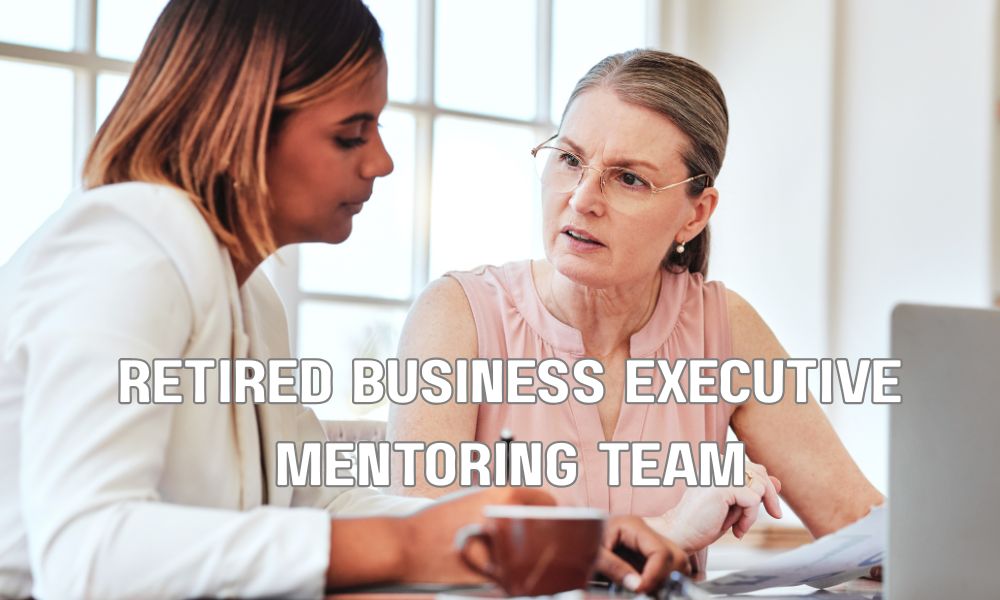
Recently retired executives bring deep experience and mature judgment, the accumulated wisdom of full careers, often with lower ego and less to prove than mid-career executives, and frequently without the financial pressure that drives compensation demands. They can bring stability, mentorship, and seasoned decision-making. For the right roles, this combination, deep experience, mature perspective, and often flexible motivation, makes retired executives exceptionally valuable, and their availability is a genuine, overlooked asset.
The Roles That Fit Best
Un-retiring executives fit certain roles especially well. Interim leadership suits them, they can step in with seasoned capability for a defined period without a long-term commitment. Advisory and board roles leverage their experience without full-time demands. Specific-mandate roles, a turnaround, a transition, a particular challenge, suit executives who want meaningful work on their terms. These roles match what many retired executives want, meaningful contribution without the full weight of a permanent, all-consuming executive job.
Framing the Opportunity Right
The key to recruiting retired executives is framing the opportunity to fit what they now want, which differs from what a mid-career executive wants. Many un-retiring leaders seek meaningful work, flexibility, and the chance to contribute their experience, not a return to the grind. An opportunity framed as a defined, meaningful, appropriately-flexible role, leveraging their experience without demanding they fully re-enter the executive treadmill, appeals; one framed as a return to full-throttle executive life may not. Framing to the un-retiring leader’s motivations is essential.
An Underused Strategy
Because few employers systematically recruit retired executives, doing so is an underused strategy that accesses deep talent others ignore. It requires recognizing the pool, understanding what un-retiring leaders want, and framing opportunities accordingly, but the payoff is access to seasoned, capable leaders for interim, advisory, and specific-mandate needs. Employers who overlook retirement as availability miss a rich source of experienced leadership sitting ready for the right, well-framed opportunity.
What This Looks Like in Practice
In practice, the un-retirement play means recognizing recently retired executives as a talent pool, especially for interim, advisory, board, and specific-mandate roles, and approaching them with opportunities framed to fit what they now want: meaningful, flexible, experience-leveraging work rather than a return to the full executive grind. Employers who understand un-retiring leaders’ motivations and frame roles accordingly access deep, seasoned talent, often with lower ego and financial pressure, that competitors overlook by assuming retirement means unavailability.
The Mistake Employers Keep Making
The mistake is assuming that retirement means unavailability and never considering recently retired executives, leaving a deep pool of seasoned leaders untapped. Employers who overlook this pool miss experienced, often lower-ego, flexible talent well-suited to interim, advisory, and specific-mandate roles. The fix is to recognize retired executives as available for the right opportunity and to frame roles to fit what un-retiring leaders actually want.
The Bottom Line
Recently retired executives are a valuable, overlooked source of leadership, deep experience, mature judgment, often lower ego and financial pressure, especially for interim, advisory, and specific-mandate roles, and the key is framing opportunities to fit what un-retiring leaders actually want. Do this well and the results compound: better hires, stronger reputation in the market, and a leadership team that raises the ceiling on everything else the company attempts.
Related Reading
For employers going deeper, see What Is an Interim CEO, Military Veterans in the C-Suite, The Hidden Talent Pool.
Frequently Asked Questions
- Q: Why recruit retired executives?
- A: Because many are not truly done and offer deep experience, mature judgment, and often lower ego and financial pressure, a valuable overlooked pool.
- Q: What roles suit un-retiring executives?
- A: Interim leadership, advisory and board roles, and specific-mandate roles, which offer meaningful work without the full weight of a permanent executive job.
- Q: What do retired executives bring?
- A: Deep experience, mature judgment, stability, mentorship, and often flexible motivation with less to prove than mid-career executives.
- Q: How should you approach un-retiring leaders?
- A: By framing the opportunity to fit what they now want, meaningful, flexible, experience-leveraging work, rather than a return to the full executive grind.
- Q: Why is this an underused strategy?
- A: Because most employers assume retirement means unavailability and never consider the pool, leaving deep, seasoned talent untapped.

Tanya Gallardo
Managing Director, Executive Search & AI Talent Strategy
Tanya Gallardo is the Managing Director of Executive Search & AI Talent Strategy at JRG Partners, leading C-suite and Board engagements across key growth sectors including Technology, Financial Services, and Manufacturing.
With over 18 years of experience specializing in disruptive technology leadership, Tanya is recognized as a leading authority on talent architecture for future-focused executive roles, such as the Chief AI Officer (CAIO) and Chief Digital Officer (CDO). Her expertise lies in accurately assessing the cultural fit and technical depth required to ensure a high return on investment (ROI) for critical leadership appointments.
Prior to her role at JRG Partners, Tanya held senior roles directing global talent acquisition strategies at a major publicly-traded technology firm, advising on organizational design and succession planning for emerging executive functions. She is a recognized speaker and contributor to industry events, sharing data-driven insights on executive compensation, leadership development, and the measurable business impact of C-suite talent.
