


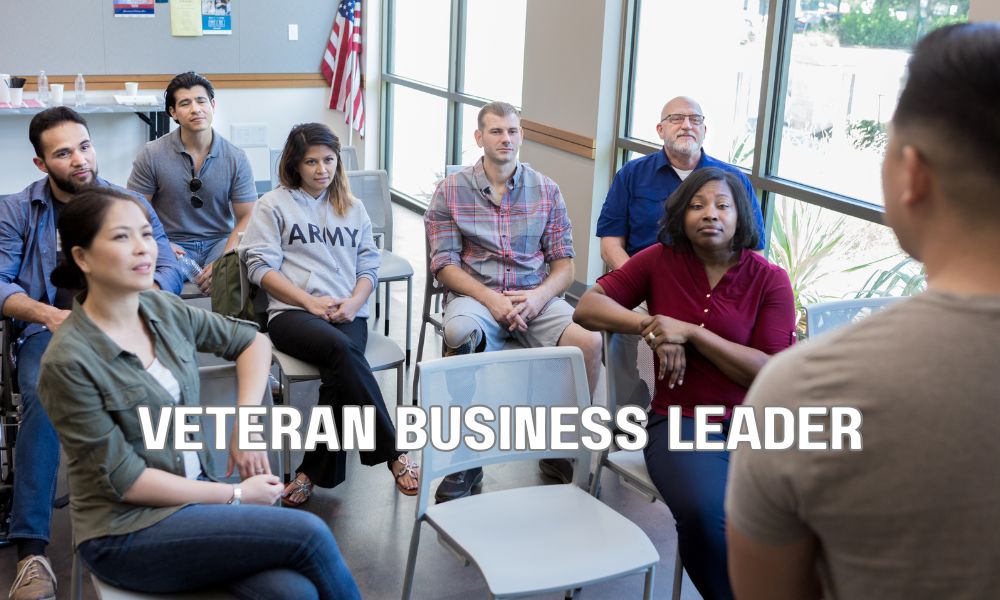
As Global Head of Research & Leadership Advisory at JRG Partners, I spend much of my time on exactly this question, and the conventional wisdom around it is only half right. Military veterans represent a deep pool of tested leadership talent, and most civilian employers overlook it, deterred by unfamiliarity and the challenge of translating military experience. Veterans bring leadership capabilities forged under pressure that translate powerfully to executive roles, if employers know how to read them, making this an overlooked, high-value sourcing strategy.
Key Takeaways
- Military veterans are a deep, overlooked pool of tested leadership talent.
- Veterans bring leadership under pressure, judgment, and character forged in demanding contexts.
- Employers overlook them due to unfamiliarity and difficulty translating military experience.
- The key is translating military roles and accomplishments into civilian-relevant capability.
- Veterans can be an exceptional, less-competed-for source of executive talent.
An Overlooked Leadership Pool

Military service produces leaders, people who have led teams under extreme pressure, made high-stakes decisions, taken responsibility for others, and operated with discipline and integrity. This is a deep pool of tested leadership talent, yet most civilian employers overlook it, deterred by unfamiliarity with military experience and uncertainty about how it translates. The result is that a rich source of capable leaders goes underexploited, leaving the veterans who could excel in executive roles under-recruited and the employers who could use them missing out.
What Veterans Bring
Veterans bring leadership capabilities that translate powerfully to executive roles: the ability to lead under pressure, sound judgment in high-stakes and ambiguous situations, genuine responsibility for people and outcomes, discipline and execution, and often strong character and integrity forged in demanding contexts. Many have led significant teams and complex operations at relatively young ages. These are exactly the capabilities executive roles require, and veterans have often developed them more intensively than their civilian peers.
The Translation Challenge
The main barrier is translation: military experience is described in unfamiliar terms, and civilian employers struggle to map ranks, roles, and accomplishments to civilian-equivalent capability. A veteran’s résumé may not obviously signal the leadership and scope they actually held, and employers who cannot translate it undervalue or overlook them. Overcoming this requires learning to read military experience, understanding what a given role and rank actually involved in leadership, scope, and responsibility, rather than dismissing what is unfamiliar.
Translating Experience to Executive Capability
Effective recruiting of veterans means translating their experience into civilian-relevant terms: understanding the leadership scope, decision-making, and responsibility their roles entailed, and mapping these to executive requirements. A veteran who led a large unit through complex operations under pressure has demonstrated leadership, judgment, and execution directly relevant to executive roles. The employer who can perform this translation, seeing the transferable capability beneath the unfamiliar terms, gains access to talent that untranslated résumés obscure.
A Competitive Sourcing Advantage
Because so few employers actively and skillfully recruit veterans, doing so is a competitive advantage: access to a deep pool of tested leaders that most competitors overlook. It requires the effort to understand and translate military experience and, sometimes, to support the military-to-civilian transition. But the payoff, strong, character-driven, tested leaders who are less competed-for, makes veterans an exceptional and underexploited source of executive talent for employers willing to look past the unfamiliarity.
What This Looks Like in Practice
In practice, recruiting veterans well means learning to translate military experience, understanding the real leadership scope, decision-making, and responsibility behind ranks and roles, and assessing veterans for the transferable capabilities their service developed rather than dismissing unfamiliar résumés. It may mean supporting the transition to a civilian executive context. Employers who do this gain access to tested, character-driven leaders, leading under pressure, sound judgment, genuine responsibility, that most competitors overlook for lack of the translation effort.
The Mistake Employers Keep Making
The mistake is overlooking military veterans as executive candidates because their experience is unfamiliar and hard to translate, leaving a deep pool of tested leadership talent under-recruited. Employers who cannot map military experience to civilian capability undervalue veterans who could excel. The fix is to learn to translate military experience into executive-relevant capability, unlocking access to strong, less-competed-for leaders.
The Bottom Line
Military veterans are a deep, overlooked pool of tested leadership talent, leadership under pressure, judgment, character, forged in demanding contexts, and employers who learn to translate military experience into executive-relevant capability gain access to strong, character-driven, less-competed-for leaders. The employers who internalize this consistently out-hire their competitors, not because they spend more, but because they think more clearly about what they are actually doing.
Related Reading
For employers going deeper, see The Hidden Talent Pool, Recruiting Retired Executives Back Into Leadership, How to Interview for Integrity.
Frequently Asked Questions
- Q: Why are military veterans an overlooked talent pool?
- A: Because civilian employers are unfamiliar with military experience and struggle to translate it, leaving a deep pool of tested leaders under-recruited.
- Q: What leadership capabilities do veterans bring?
- A: Leading under pressure, sound judgment in high-stakes situations, genuine responsibility for people and outcomes, discipline, execution, and often strong character.
- Q: What is the challenge in recruiting veterans?
- A: Translation, mapping unfamiliar military ranks, roles, and accomplishments to civilian-equivalent executive capability, which employers often cannot do.
- Q: How do you translate military experience?
- A: By understanding the actual leadership scope, decision-making, and responsibility a role entailed and mapping it to executive requirements, seeing the transferable capability.
- Q: Why is recruiting veterans a competitive advantage?
- A: Because so few employers do it skillfully, giving those who do access to a deep pool of tested, character-driven leaders that competitors overlook.

Tanya Gallardo
Managing Director, Executive Search & AI Talent Strategy
Tanya Gallardo is the Managing Director of Executive Search & AI Talent Strategy at JRG Partners, leading C-suite and Board engagements across key growth sectors including Technology, Financial Services, and Manufacturing.
With over 18 years of experience specializing in disruptive technology leadership, Tanya is recognized as a leading authority on talent architecture for future-focused executive roles, such as the Chief AI Officer (CAIO) and Chief Digital Officer (CDO). Her expertise lies in accurately assessing the cultural fit and technical depth required to ensure a high return on investment (ROI) for critical leadership appointments.
Prior to her role at JRG Partners, Tanya held senior roles directing global talent acquisition strategies at a major publicly-traded technology firm, advising on organizational design and succession planning for emerging executive functions. She is a recognized speaker and contributor to industry events, sharing data-driven insights on executive compensation, leadership development, and the measurable business impact of C-suite talent.
