



As Global Head of Research & Leadership Advisory at JRG Partners, here is the direct answer employers actually need, without the jargon. A Chief Administrative Officer (CAO) oversees a company’s internal administrative and operational functions, which vary widely by company but often include some combination of HR, facilities, IT, legal, finance operations, and other corporate services. The role exists to bring senior, unified leadership to the internal-operations functions that keep a company running, freeing other executives to focus on their core mandates.
This explainer covers what the term means in practice, why it matters for employers and boards, the distinctions that most often cause confusion, and how the concept shows up in real hiring and governance decisions. It is written for decision-makers who need a clear, accurate working understanding they can act on, not an academic definition.
Key Takeaways
- A CAO oversees internal administrative and support functions, which vary widely by company.
- Scope often includes some mix of HR, facilities, IT, legal, and corporate services.
- The role brings senior coordination to functions that would otherwise fragment.
- It differs from the COO, who typically owns core value-creating operations.
- Because scope varies so much, defining it precisely before hiring is essential.
What a CAO Oversees
The CAO’s scope is famously variable. In some companies it spans HR, facilities, and corporate services; in others it includes IT, legal, and finance operations; in still others it is a broad internal-operations role second only to the COO. The unifying theme is responsibility for the administrative and support functions that enable the business, consolidated under one senior leader for coordination and efficiency.
Why Companies Create the Role
Companies create a CAO role to bring executive coordination to functions that would otherwise report separately to an overstretched CEO or COO, to consolidate corporate services for efficiency, or to give a trusted senior leader broad internal responsibility. It is common in complex organizations, professional-services firms, and companies where administrative functions are substantial enough to warrant unified executive leadership.
CAO vs. COO
The COO typically owns the core operations that deliver the product or service, the value-creating engine, while the CAO owns internal administrative and support functions. In practice the line varies, and in some companies the roles overlap or the CAO is effectively an internal-facing COO. The distinction that matters is whether the role owns the business’s core operations or its supporting infrastructure.
Reporting Lines and Scope Definition
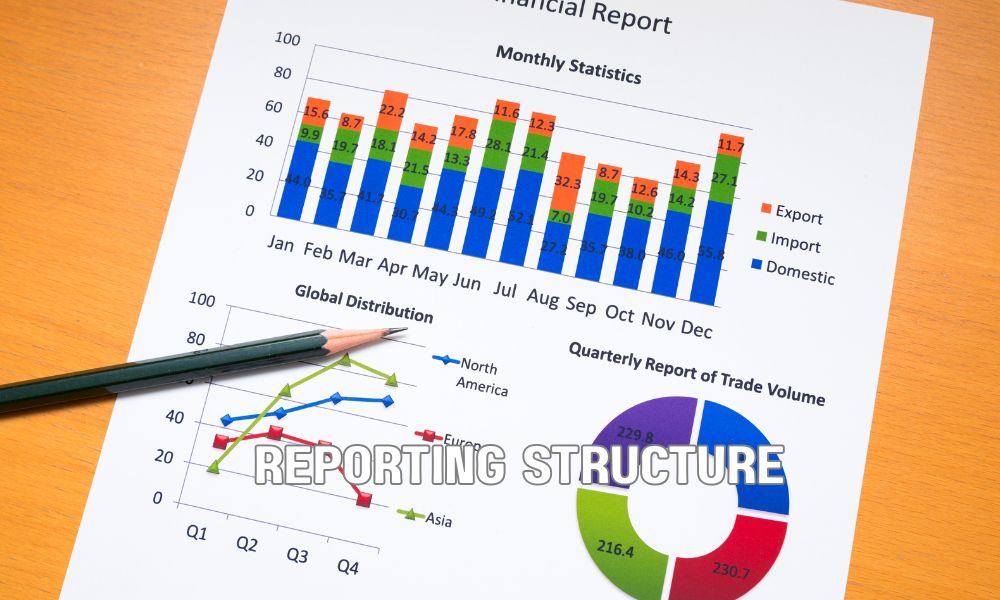
Because the CAO role varies so much, defining its exact scope and reporting lines before hiring is essential. The CAO reports to the CEO or COO, and the functions reporting into the CAO should be specified explicitly. Ambiguity here is the most common source of friction, both for the CAO and for the function leaders who report to, or around, them.
How It Works in Practice
In practice, the CAO role is defined by the specific functions a given company chooses to consolidate under it. At one company the CAO might run HR, facilities, and corporate services; at another, IT, legal, and administrative operations. The CAO brings executive coordination to these functions, sets shared priorities and standards, and represents them at the executive table, freeing the CEO from managing a scatter of support-function leaders directly.
Why This Matters for Employers
The CAO role’s variability makes precise scope definition essential, and understanding the role helps companies decide whether they need it and how to structure it. It brings senior coordination to administrative functions and frees other executives to focus on their core mandates, but only if its scope and reporting lines are defined clearly upfront.
Common Misconceptions
The misconception is that CAO means the same thing everywhere. It is one of the most variable C-suite titles, spanning very different function sets by company. A second confusion is with the COO; the CAO typically owns support functions while the COO owns core operations, though the line varies.
A Practical Example
Consider a growing company where the CEO finds themselves directly managing HR, IT, facilities, and legal alongside the core business, a span that dilutes their focus. Appointing a CAO to consolidate those internal functions under one senior leader restores the CEO’s bandwidth for strategy and the core business. The value is coordination and focus: one accountable leader for internal operations instead of a fragmented set of reports.
The Bottom Line
The value of understanding Chief Administrative Officer (CAO) is practical: it lets boards and employers scope roles, set expectations, and assign accountability without the ambiguity that later has to be untangled at cost. When the definition is clear, the decisions that follow from it are far easier to get right.
Frequently Asked Questions
- Q: What does a Chief Administrative Officer do?
- A: Oversees a company’s internal administrative and support functions, which vary widely but often include HR, facilities, IT, legal, or corporate services.
- Q: What is the difference between a CAO and a COO?
- A: The COO typically owns core value-creating operations; the CAO owns internal administrative and support functions, though scopes overlap in some companies.
- Q: Who does a CAO report to?
- A: Usually the CEO or COO, depending on the company’s structure.
- Q: Why is the CAO role so variable?
- A: Because companies consolidate different function sets under it based on their needs, making scope definition essential before hiring.
- Q: Does every company need a CAO?
- A: No; the role suits complex organizations where administrative functions are substantial enough to warrant unified executive leadership.

Tanya Gallardo
Managing Director, Executive Search & AI Talent Strategy
Tanya Gallardo is the Managing Director of Executive Search & AI Talent Strategy at JRG Partners, leading C-suite and Board engagements across key growth sectors including Technology, Financial Services, and Manufacturing.
With over 18 years of experience specializing in disruptive technology leadership, Tanya is recognized as a leading authority on talent architecture for future-focused executive roles, such as the Chief AI Officer (CAIO) and Chief Digital Officer (CDO). Her expertise lies in accurately assessing the cultural fit and technical depth required to ensure a high return on investment (ROI) for critical leadership appointments.
Prior to her role at JRG Partners, Tanya held senior roles directing global talent acquisition strategies at a major publicly-traded technology firm, advising on organizational design and succession planning for emerging executive functions. She is a recognized speaker and contributor to industry events, sharing data-driven insights on executive compensation, leadership development, and the measurable business impact of C-suite talent.
