



As Global Head of Research & Leadership Advisory at JRG Partners, I built this 90-day onboarding roadmap for a VP of Product Management from the transitions that succeeded and the autopsies of those that did not. The first ninety days are asymmetric: credibility built early compounds for years, while early missteps get relitigated for the whole tenure. The plan below sequences the diagnosis, the alignment, and the first visible wins.
Key Takeaways: The New VP of Product Management’s First 90 Days
- The 90-day arc runs listen-diagnose (days 1-30), align-decide (31-60), act-deliver (61-90); executives who invert the order pay for it all tenure.
- Early wins are chosen, not stumbled upon: one visible, meaningful, fast result in the first two months buys the license for the slower structural work.
- Shipping one small change that measurably moved retention or activation, sourced from direct customer contact, models the entire operating philosophy.
- The receiving organization owns half the transition: mandate clarity, stakeholder introductions, and air cover are the employer’s deliverables.
- New product VPs reprioritize from instinct before evidence; the roadmap reset that follows customer immersion sticks, the one that precedes it gets relitigated monthly.
Before Day One: The Preparation Phase
Day one is too late to start. In the weeks before, secure the written mandate (the outcomes, the constraints, the bodies buried), read the operating record, and map the stakeholders whose support the role requires. Executives who arrive with the mandate ambiguous spend their first quarter negotiating it, usually losing ground they never recover.
Days 1-30: Listen and Diagnose
Month one exists to establish truth: baseline, team, and terrain. The VP of Product Management-specific diagnostic list:
- Use the product deeply before the briefings shape you
- Read the cohort and funnel data personally
- Meet customers weekly from week one, including churned ones
- Assess the PM team’s craft: discovery reality, decision quality, communication
- Map roadmap commitments against capacity and evidence
Hold the conclusions loosely and publicly: a leader seen updating on evidence in month one earns the right to be believed in month three.
Days 31-60: Align and Decide
Month two turns the picture into a plan, agreed with the people who must fund and defend it:
- Deliver the product assessment: outcome gaps, roadmap realism, team plan
- Make the prioritization resets with the logic public
- Install the discovery cadence: customer contact and experiment logging as routine
- Fix the sales-product commitment process if it bleeds
Days 61-90: Act and Deliver
The third month is for visible motion: the plan launched, the rhythm installed, and the first win banked:
- Ship the first outcome-framed release with pre-committed metrics
- Show a retention or adoption metric moving from a shipped change
- Publish the outcome roadmap replacing the feature list
- Bank the team win: a strong hire, a promotion, a craft standard raised
The 90-Day Milestone Summary
| Phase | Focus | Exit Artifact |
|---|---|---|
| Before day one | Mandate, materials, stakeholder map | Written mandate agreed with the hiring leader |
| Days 1-30 | Listening tour, baseline truth, team assessment | The honest diagnosis, delivered upward |
| Days 31-60 | Direction set, urgent people decisions, operating rhythm designed | The plan agreed, with resources and dates |
| Days 61-90 | Visible execution, first win, scorecard live | The early win delivered; the go-forward KPIs published |
The Early Win: Choosing It Deliberately
The early win is a designed event, not a lucky one, picked for visibility, substance, and certainty of delivery. For a VP of Product Management, the pattern that works: Shipping one small change that measurably moved retention or activation, sourced from direct customer contact, models the entire operating philosophy. The wrong early win, flashy, contested, or hollow, costs more than none.
The Onboarding Mistake That Sinks New VP of Product Managements
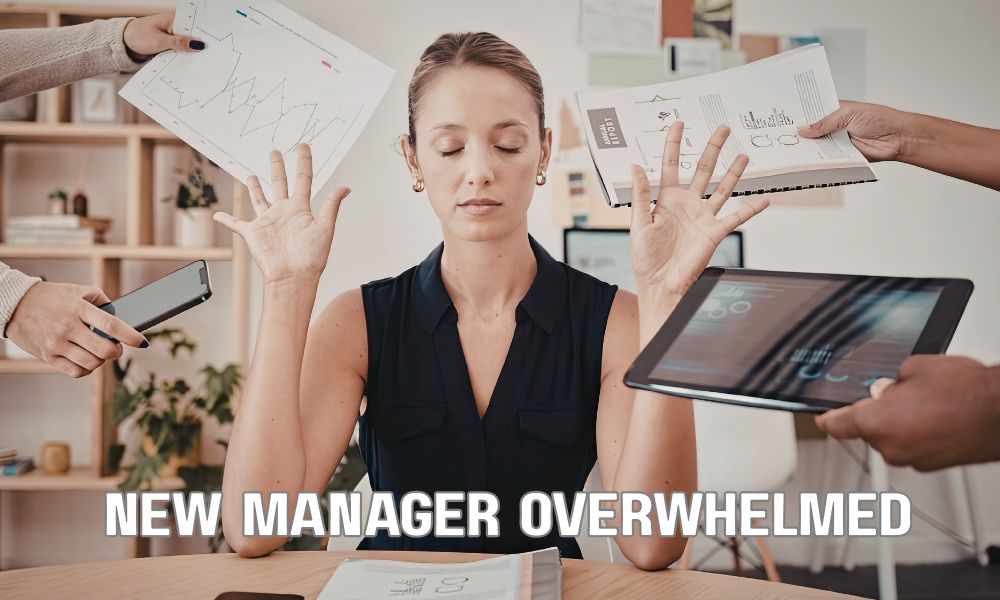
New product VPs reprioritize from instinct before evidence; the roadmap reset that follows customer immersion sticks, the one that precedes it gets relitigated monthly. Every new executive faces the standard hazards; this one is the role’s own, and knowing it in advance is most of avoiding it.
What the Organization Owes the Transition
Receiving leaders should deliver five things: mandate clarity in writing, warm stakeholder introductions, honest context on the problems (including the ones the interview process softened), protection while the new leader diagnoses before performing, and a scheduled day-30, day-60, and day-90 check-in rhythm that surfaces misalignment while it is still cheap.
From 90 Days to the Full Tenure
The transition ends where the tenure’s measurement begins. The scorecard that goes live at day 90 should be the same one governing the tenure: our guide to measuring VP of Product Management performance defines those KPIs and their cadence. And if the hire is still ahead of you, our VP of Product Management interview questions guide tests for exactly the transition skills this roadmap demands.
Frequently Asked Questions
- Q: What should a new VP of Product Management accomplish in the first 90 days?
- A: By day 90 the organization should have seen an honest assessment, an agreed plan, one meaningful delivered result, and the leader’s operating rhythm installed. Everything else is detail.
- Q: How long until a new VP of Product Management reaches full productivity?
- A: Meaningful contribution starts inside the first month; full productivity, where the leader’s decisions drive the numbers, typically arrives between months four and nine depending on the role’s cycle time. Setting that expectation explicitly prevents both premature judgment and complacent drift.
- Q: What is the right early win for a new VP of Product Management?
- A: Shipping one small change that measurably moved retention or activation, sourced from direct customer contact, models the entire operating philosophy. Choose for visibility, meaning, and deliverability inside the window, and deliver it before the honeymoon’s attention fades.
- Q: How quickly should a new VP of Product Management make people changes?
- A: Fast on assessment, deliberate on process, prompt on execution: month one to see clearly, month two to decide the obvious cases, and immediate, respectful action once decided, because the team is watching whether the new leader sees what they see.
- Q: What if the job turns out different from the one described?
- A: Surface it at the next scheduled checkpoint with specifics: what was represented, what the evidence shows, and what mandate adjustment follows. Boards and CEOs respect early recalibration far more than late surprises, and the written mandate makes the conversation factual rather than personal.
- Q: Who owns executive onboarding, HR or the hiring manager?
- A: The hiring manager, unambiguously, with HR building the process and the executive driving their own plan; the fastest way to predict a transition’s outcome is to ask who thinks they own it.

Tanya Gallardo
Managing Director, Executive Search & AI Talent Strategy
Tanya Gallardo is the Managing Director of Executive Search & AI Talent Strategy at JRG Partners, leading C-suite and Board engagements across key growth sectors including Technology, Financial Services, and Manufacturing.
With over 18 years of experience specializing in disruptive technology leadership, Tanya is recognized as a leading authority on talent architecture for future-focused executive roles, such as the Chief AI Officer (CAIO) and Chief Digital Officer (CDO). Her expertise lies in accurately assessing the cultural fit and technical depth required to ensure a high return on investment (ROI) for critical leadership appointments.
Prior to her role at JRG Partners, Tanya held senior roles directing global talent acquisition strategies at a major publicly-traded technology firm, advising on organizational design and succession planning for emerging executive functions. She is a recognized speaker and contributor to industry events, sharing data-driven insights on executive compensation, leadership development, and the measurable business impact of C-suite talent.
