



As Global Head of Research & Leadership Advisory at JRG Partners, I offer these 25 interview questions to ask when hiring a VP of Quality, drawn from real assessment work rather than theory. Each question comes with listening guidance: the shape of a great answer, and the tells that should worry you. Used consistently across candidates, they convert interviews from conversation into evidence.
Key Takeaways: Interviewing VP of Quality Candidates Effectively
- Structure the interview around competencies and ask the same core questions of every finalist; consistency is what makes comparison honest.
- Great answers are specific, quantified, and honest about failure; fluent answers with no numbers and no scars are the field’s oldest warning sign.
- Probe the candidate’s personal role in every claimed achievement, executive wins are team wins, and title inflation is routine.
- Match question emphasis to your mandate: the VP of Quality you need for the next three years determines which competencies below deserve double weight.
- Always verify through structured referencing afterward, interviews generate claims; references test them.
Before You Interview: Define the Mandate
Before drafting a single interview loop, define the mandate in writing: the outcomes the VP of Quality must own, in priority order. That document determines which competencies below deserve double weight, and it should drive compensation too, our VP of Quality salary guide exists for exactly that calibration.
Quality Systems, Compliance, and Release Authority (Questions 1-7)
1. Walk me through your inspection history: outcomes, findings, and what changed after each. The regulated resume: agencies faced, findings closed durably, and readiness as a standing state.
2. Tell me about refusing to release product under commercial pressure. The seat’s defining courage: the data, the line, the escalation, and the aftermath.
3. Describe a remediation you led: the findings, the plan, the retest. Turnaround receipts: warning letter, 483, or audit failure converted into verified compliance.
4. How have you made CAPA a real system rather than paperwork? Effectiveness discipline: root-cause quality, closure verification, and recurrence data.
5. Walk me through your supplier-quality program and its worst discovery. Extended-enterprise command: the audit finding, the containment, and the source decision.
6. Tell me about a quality-culture change you can prove. Behavior evidence: reporting rates up, hiding down, and operations owning quality.
7. How do you use quality data to see problems before they escape? Trending craft: the leading indicators watched and an escape prevented.
Culture, Suppliers, and Remediation (Questions 8-13)
8. Describe balancing quality rigor with a launch the company needed. Risk-based judgment: acceleration achieved without corners cut, and the documentation to prove it.
9. What is your batch-record or documentation philosophy in practice? Right-first-time mechanics: error rates, review burden, and the improvements made.
10. Tell me about a recall or field action you managed. The hardest test: decision speed, regulator handling, customer protection, and the systemic fix.
11. How do you keep quality staffed and sharp in a scarce market? Talent reality in a certification-shaped pool.
12. Which quality metric do you consider misleading, and what do you track instead? Practitioner independence with reasoning.
13. What would you audit first in our operation? Preparation test: regime-literate hypotheses about our likely risk points.
Strategic Partnership Across the Executive Table (Questions 14-17)
14. Describe a decision where your analysis or counsel changed the company’s direction. A specific before-and-after with consequences attached, this is where strategic executives separate from reporters of events.
15. How do you make your function’s work legible and useful to peers who don’t share your expertise? Translation craft with a witness: an operating peer who would vouch for it by name.
16. What should your function’s board reporting contain, and what does everyone get wrong? A point of view earned through practice: brevity, trend over snapshot, and problems raised before they are asked about.
17. Which executive-team dynamic have you most improved, and how? Team-of-leaders citizenship: the dysfunction named carefully and the contribution verifiable.
Leadership and Team Building (Questions 18-21)
18. Describe inheriting an underperformer in a critical seat. Fairness plus decisiveness: honest assessment, a real improvement window, and a timely call either way.
19. What will your current team say is hardest about working for you? Specific self-awareness without rehearsed humility, and knowledge that referencing will verify it.
20. Describe developing a successor for your own role. The strongest leadership tell: security, investment, and a named person whose career proves it.
21. How have you built accountability without fear? Culture mechanics: standards enforced, psychological safety preserved, with an example proving both at once.
Judgment, Integrity, and Pressure (Questions 22-25)
22. Tell me about a time you were pressured to present information more favorably than you believed was right. Non-negotiable. Strong answers show a clear line held, gracefully but firmly. Treat any equivocation as disqualifying.
23. Describe the hardest decision you have executed that affected people’s livelihoods. Rigor and humanity together: analytical discipline about the decision, dignity in its execution.
24. Why this company, and why now? The closer. Great candidates connect their specific experience to your specific mandate; a beautiful generic answer is a candidate interviewing everywhere.
25. Why this company, and why now? The closer. Great candidates connect their specific experience to your specific mandate; a beautiful generic answer is a candidate interviewing everywhere.
Scoring, Structure, and What Comes After the Interview
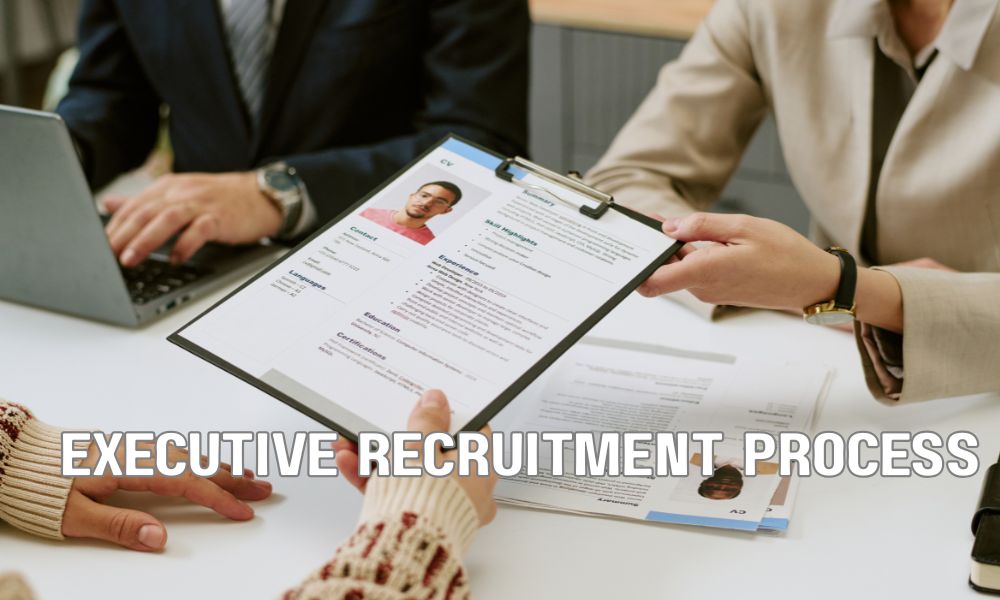
Run the same core questions across all finalists, rate each competency on a defined scale, and have interviewers score independently before comparing notes, which prevents the most confident voice in the debrief from becoming the de facto decision. Then verify: structured referencing against the specific claims made in interviews, including at least one reference you source rather than the candidate. The table below maps question groups to the mandates they matter most for.
| Competency Area | Questions | Weight Heavily When Your Mandate Is |
|---|---|---|
| Quality Systems, Compliance, and Release Authority | 1-7 | Core functional delivery, first professional VP of Quality, post-turbulence repair |
| Culture, Suppliers, and Remediation | 8-13 | Transformation, scaling, or building the capability from partial foundations |
| Strategic partnership | 14-17 | Executive-team upgrade, CEO thought-partner gap, cross-functional repair |
| Leadership and team | 18-21 | Organization build-out, inherited-team situations, rapid growth |
| Judgment and integrity | 22-25 | Always; never traded off against any other competency |
The Bottom Line for Hiring Committees
Run the method and the method runs the risk down: mandate first, consistent structured questions, relentless personal-role probing, independent scoring, and references that test claims rather than collect praise. It is unglamorous, and it is the difference between hiring the VP of Quality you interviewed and hiring the one who shows up. If the specification itself still needs work, our VP of Quality job description template is built to precede this guide.
Frequently Asked Questions
- Q: What is the single most important question to ask a VP of Quality candidate?
- A: The pressure-and-integrity question, and the personal-role follow-up behind every achievement claim. Together they surface the two failure modes that references later confirm too late.
- Q: How many interviews should a VP of Quality hiring process include?
- A: Three to four, ending in a working session, reviewing your actual numbers, plans, or product, because an hour of real work reveals more than three more hours of conversation.
- Q: Should VP of Quality candidates complete a case study or working exercise?
- A: Yes, for most mandates: reviewing your real (lightly sanitized) material or presenting a 90-day plan reveals more than any additional conversational hour. Keep preparation respectful, two to four hours.
- Q: How do we assess a first-time VP of Quality versus a proven one?
- A: Identically in structure, differently in listening: step-up candidates should show the work already done without the title, and their old boss is the reference that matters most.
- Q: What are the biggest red flags in VP of Quality interviews?
- A: Numberless fluency, we-without-I achievement stories, a failure-free career, contempt for former colleagues, and equivocation under the integrity question, the five tells that referencing later confirms.
- Q: Who should lead the VP of Quality interview process?
- A: One accountable owner, normally the executive the role reports to, with structured peer and board input. Committees that share ownership equally usually discover they shared it with no one.

Tanya Gallardo
Managing Director, Executive Search & AI Talent Strategy
Tanya Gallardo is the Managing Director of Executive Search & AI Talent Strategy at JRG Partners, leading C-suite and Board engagements across key growth sectors including Technology, Financial Services, and Manufacturing.
With over 18 years of experience specializing in disruptive technology leadership, Tanya is recognized as a leading authority on talent architecture for future-focused executive roles, such as the Chief AI Officer (CAIO) and Chief Digital Officer (CDO). Her expertise lies in accurately assessing the cultural fit and technical depth required to ensure a high return on investment (ROI) for critical leadership appointments.
Prior to her role at JRG Partners, Tanya held senior roles directing global talent acquisition strategies at a major publicly-traded technology firm, advising on organizational design and succession planning for emerging executive functions. She is a recognized speaker and contributor to industry events, sharing data-driven insights on executive compensation, leadership development, and the measurable business impact of C-suite talent.
