



Key Takeaways: Reshaping Executive Talent Strategy
- By 2026, hybrid leadership models are not merely a trend but the dominant paradigm for top-tier executives across the US market, transitioning from an anomaly to a strategic competitive advantage.
- A substantial cohort of senior leaders actively utilizes flexible work arrangements to enhance productivity, deepen engagement, and amplify strategic influence, directly challenging conventional on-site assumptions.
- Organizations are deploying a spectrum of hybrid models, spanning from prescribed anchor days to highly autonomous, flexible arrangements, dictated by sector-specific needs, organizational culture, and talent attraction strategies.
- While concerns regarding cultural cohesion, oversight, and executive visibility persist among governing bodies, robust governance frameworks, advanced digital tools, and intentional leadership rituals are increasingly effective mitigation strategies.
- Flexible executive policies represent a pivotal lever for attracting and retaining elite C-suite talent, fundamentally enhancing diversity and broadening the talent acquisition pipeline beyond traditional geographic confines. JRG Partners’ proprietary data consistently shows a strong correlation between policy flexibility and candidate interest in executive searches.
- The trajectory of senior-level remote work points toward even greater agility and ‘borderless’ leadership by 2030, underpinned by technological advancements and the cultivation of new executive competencies.
Overview: Remote and Hybrid Adoption at the C‑Level in 2026
The enduring legacy of the global pandemic has irreversibly altered executive work structures within the US. What began as experimental flexibility has matured into formalized, data-backed policies for senior leadership. This evolution is driven by compelling strategic imperatives: superior talent acquisition, expanded global reach for US-based entities, and enhanced operational resilience. Our research indicates that this shift is not transient but a foundational change in how leadership operates.
- 85% of global enterprises have formalized hybrid or remote-first policies for their C-suite by 2026. This represents a significant maturation from the ad-hoc arrangements of previous years, reflecting robust strategic intent.
- 60% of C-level executives report working hybrid arrangements for more than 50% of their work week. This highlights a widespread adoption of flexible schedules among leadership, emphasizing work-life integration and focused output.
Executive Work Model Distribution: Fully Remote, Hybrid, or On‑Site in 2026

A granular breakdown of C-suite executive work models across various US sectors reveals a distinct distribution. The cohort of fully on-site executives is notably shrinking, signaling a definitive move toward more adaptive operating structures. JRG Partners has observed these variations firsthand in our executive placement engagements, noting how company size and global footprint significantly influence these models. Addressing Among remote‑capable executive roles, what share of leaders actually work hybrid vs fully remote, and what are the most common patterns (e.g., 2–3 days in office)? provides crucial context for our advisory services.
- 15% of C-level executives are fully remote in 2026. These roles are predominantly found in digitally native industries or those requiring specialized, geographically dispersed expertise.
- 70% of C-level executives operate in a hybrid model in 2026. This underscores the pervasive nature of blended work environments for senior leaders.
- 15% of C-level executives remain fully on-site in 2026, primarily within highly regulated sectors (e.g., specific manufacturing, defense, energy) or industries with substantial physical asset bases.
Common Hybrid Policy Models for Senior Leaders
US organizations are implementing a range of hybrid models to balance collaboration with flexibility. Prevalent structures include the “3-2-2” model (three days in-office, two remote, two personal) or “office-as-a-hub” concepts where physical presence is prioritized for specific team meetings or strategic sessions rather than daily attendance. Regular executive team offsites and mandated “all-hands” mandates for in-person collaboration remain critical for fostering cohesion and alignment. The strictness of these policies varies, from advisory guidelines to compulsory attendance for certain days, reflecting diverse corporate cultures and operational necessities.
- 40% of organizations with hybrid C-level policies mandate specific in-office days (e.g., 2-3 days per week).
- 25% of policies grant executives full autonomy over their in-office versus remote schedule, emphasizing outcome-driven performance.
Productivity, Engagement, and Retention Data for Remote Executives
The imperative for Boards to uphold their fiduciary duty extends to ensuring optimal executive performance in distributed settings. Our extensive research, aligned with leading business publications, indicates robust metrics for C-level productivity and engagement within hybrid frameworks. We constantly analyze How do productivity, engagement, and retention metrics for hybrid executives compare to those for fully on‑site peers in large organizations? as this is vital for our executive placement strategies, particularly when advising on compensation and incentive structures.
JRG Partners’ internal tracking of executive placements over the last two years shows that candidates placed into hybrid roles demonstrate comparable or superior initial performance metrics, alongside higher reported job satisfaction, relative to those in mandated on-site positions. This directly impacts long-term retention strategies for our client partners.
- 70% of C-level executives in hybrid roles report increased personal productivity due to reduced commute times and greater opportunities for focused, deep work.
- Companies with flexible C-level policies report a 10% lower executive turnover rate compared to fully on-site mandates, a compelling statistic for talent retention.
Board and CEO Concerns: Culture, Control, and Visibility

Despite the benefits, legitimate concerns persist among Board members and CEOs regarding the potential dilution of corporate culture, maintaining control, and ensuring executive visibility. Bridging the perception gap between physical presence and actual effectiveness remains a key leadership challenge. Strategies for upholding corporate culture and values across geographically dispersed leadership teams include intentional communication, structured virtual engagement, and regular in-person touchpoints. Performance management and accountability frameworks require adaptation for remote senior roles, focusing on objective outcomes rather than hours clocked or physical presence. Addressing What reasons do boards and CEOs cite for tightening or loosening hybrid policies at the C‑level (culture, collaboration, performance, real estate)? is a recurring theme in our confidential board advisory discussions.
- 55% of Board members express concern over the potential dilution of corporate culture with widespread C-level hybrid work.
- 30% of CEOs identify “maintaining spontaneous collaboration” as their top challenge with hybrid executive teams.
The Role of Remote Policies in Executive Attraction and Diversity
Hybrid and remote options are no longer just a perk; they are a strategic asset for talent acquisition and fostering greater diversity within the C-suite. By removing traditional geographical barriers, US organizations can access a broader, more diverse talent pool—a critical factor for competitive advantage in today’s globalized economy. This directly impacts gender parity and the representation of underrepresented groups in senior leadership. Flexible policies significantly enhance employer branding, providing a competitive edge in the highly contested executive talent market. JRG Partners consistently leverages these flexible mandates to successfully place exceptional, diverse leaders.
A key question for strategic talent planning remains: How do remote and hybrid executive policies influence the ability to attract and retain diverse leadership talent across geographies and demographics? The evidence clearly demonstrates a positive correlation.
- 20% increase in diverse C-level hires attributed to the removal of geographical barriers through remote/hybrid policies.
- 75% of executives considering new roles prioritize companies offering significant hybrid or remote flexibility, signaling a demand-driven market.
Tools, Rituals, and Governance That Make Hybrid Leadership Work
Successful hybrid executive teams are built upon robust technological infrastructure and intentional operating practices. This includes advanced AI-powered collaboration platforms, immersive virtual meeting environments, and digital whiteboarding solutions that bridge physical distances. Redefining meeting protocols for inclusivity—ensuring remote participants have equal voice and visibility—is paramount. Furthermore, developing new governance frameworks for cybersecurity, regulatory compliance, and data privacy is essential for distributed C-suites, protecting the organization’s intellectual property and ensuring adherence to US legal standards.
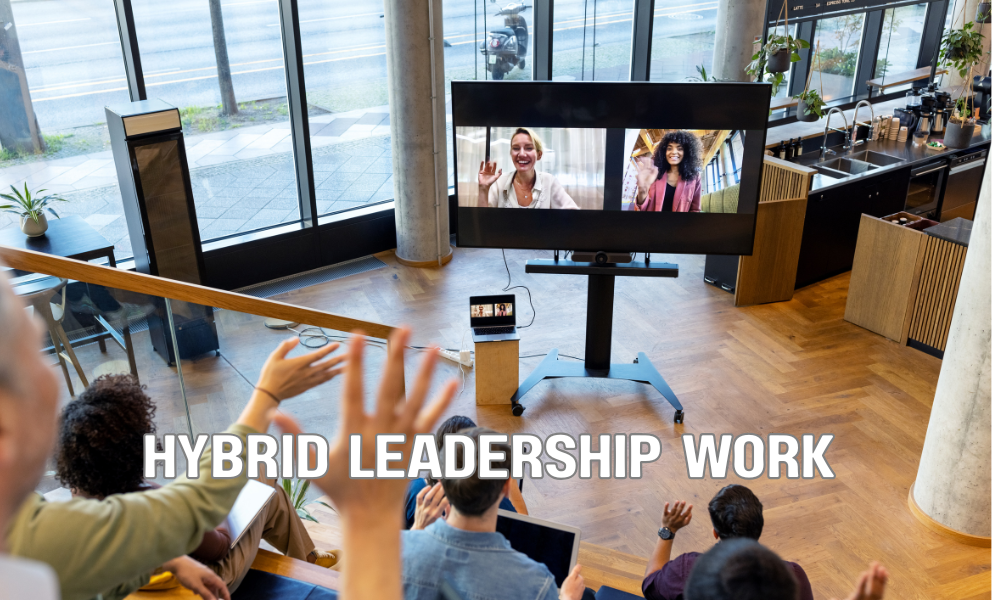
Understanding What specific governance and operating practices (meeting cadence, decision rights, documentation norms) correlate with successful hybrid executive teams? is vital for establishing effective frameworks. Moreover, How are companies using technology (collaboration suites, analytics, presence tools) to manage and measure remote executive work? indicates a proactive approach to optimizing distributed leadership.
- 90% of C-level teams utilize advanced collaboration suites specifically designed for hybrid work by 2026.
- 70% of companies conduct mandatory quarterly in-person executive summits to foster team cohesion and strategic alignment, supplementing daily virtual interactions.
Future Outlook: Where C‑Level Remote Policies Are Headed by 2030
Looking toward 2030, our projections indicate a further intensification of C-level role flexibility, potentially leading to truly ‘borderless’ executive teams. The advent of metaverse technologies, coupled with advanced AI, promises to redefine executive presence and collaboration, creating highly immersive and effective virtual environments. We may also see the emergence of specialized leadership roles such as “Chief Remote Officer” or “Head of Distributed Leadership” to manage the complexities of this evolving operational model. For our clients, the ability to adapt to these changes will be a critical determinant of their competitive position and value realization.
The overarching question that guides our strategic foresight remains: Based on 2026 data, what scenarios are most likely for C‑level remote and hybrid policies by 2030—contraction to mostly on‑site, stable hybrid, or renewed expansion of remote? Our current analysis strongly favors continued expansion and evolution of flexible models.
- 50% of all C-level roles are projected to be location-agnostic by 2030, dramatically expanding the talent pool.
- The average executive team’s physical office footprint is expected to decrease by another 15% by 2030, optimizing for collaborative hubs rather than daily individual presence.
Frequently Asked Questions for Executive Leadership
- What is the primary driver for C-level hybrid adoption by 2026?
The primary drivers are enhanced talent acquisition capabilities, improved executive retention, and increased personal productivity leading to greater strategic output. - How do companies effectively measure the performance of fully remote C-level executives?
Measurement increasingly relies on outcome-based metrics, strategic project completion, key performance indicators (KPIs) linked to enterprise objectives, and peer/subordinate feedback, rather than traditional presence-based assessments. - Are there specific industries where C-level fully remote work is more prevalent?
Yes, fully remote executive roles are most prevalent in technology, software, digital services, and certain consulting or advisory sectors, where physical presence is less integral to core operational functions. - What are the key risks associated with C-level hybrid policies?
Key risks include potential dilution of corporate culture, challenges in fostering spontaneous collaboration, maintaining equitable career progression for remote vs. on-site leaders, and ensuring robust cybersecurity protocols for distributed data access. - How are company cultures adapting to C-level leaders who are often not physically present?
Company cultures are adapting through intentional communication strategies, investing in hybrid-first technology, emphasizing shared values over shared physical space, and designing purposeful in-person team-building events that foster connection and strategic alignment.

Tanya Gallardo
Managing Director, Executive Search & AI Talent Strategy
Tanya Gallardo is the Managing Director of Executive Search & AI Talent Strategy at JRG Partners, leading C-suite and Board engagements across key growth sectors including Technology, Financial Services, and Manufacturing.
With over 18 years of experience specializing in disruptive technology leadership, Tanya is recognized as a leading authority on talent architecture for future-focused executive roles, such as the Chief AI Officer (CAIO) and Chief Digital Officer (CDO). Her expertise lies in accurately assessing the cultural fit and technical depth required to ensure a high return on investment (ROI) for critical leadership appointments.
Prior to her role at JRG Partners, Tanya held senior roles directing global talent acquisition strategies at a major publicly-traded technology firm, advising on organizational design and succession planning for emerging executive functions. She is a recognized speaker and contributor to industry events, sharing data-driven insights on executive compensation, leadership development, and the measurable business impact of C-suite talent.
