



In the fiercely competitive US talent landscape, the traditional focus of executive search—predominantly on technical acumen and P&L management—is no longer sufficient. A paradigm shift is underway, compelling boards and executive leadership to recognize that organizational culture and robust workforce commitment are not peripheral HR concerns but fundamental strategic assets. Our research at JRG Partners indicates a profound correlation between a leader’s ability to cultivate a thriving workplace environment and the enduring success of an enterprise.
This report outlines a refined framework for executive talent acquisition, emphasizing how critical it is to identify and onboard individuals who will actively build and sustain a high-performing culture. Specifically, we address a recurring query from our US-based clients: Which C-suite hires most impact employee engagement scores? The answer unequivocally points to leaders who are deeply embedded as architects of organizational values and employee experience, demonstrating a consistent commitment to fostering a positive, productive, and inclusive work environment.
Key Takeaways for Board Oversight and Executive Talent Strategy
- Organizational culture and workforce commitment are not mere “soft skills” but critical strategic assets that drive business performance, innovation, and resilience in a competitive global landscape.
- Leaders, from the executive suite to front-line management, are the primary architects and custodians of corporate ethos, directly influencing commitment levels and shaping the employee journey.
- Intentional talent acquisition processes must evolve beyond technical skill assessment to rigorously evaluate a candidate’s proven ability to build, nurture, and embed a positive, high-engagement culture. JRG Partners specializes in this refined approach to executive recruitment.
- Sustaining a vibrant culture requires continuous measurement, accountability at all leadership levels, and proactive succession planning for cultural continuity and organizational health.
Culture Accountability Belongs in the C-Suite
Defining corporate culture as a strategic differentiator and competitive advantage is a fiduciary duty for US boards. The executive team and board must actively champion cultural values and set the tone from the top. Their visible commitment is paramount. Data consistently shows that companies with strong cultures see a 4x increase in revenue growth compared to those without. This C-suite commitment directly impacts talent attraction, retention, and brand reputation in the marketplace. A proactive stance on culture ensures alignment with strategic objectives and bolsters organizational resilience.
Commitment Metrics as Executive Key Performance Indicators
Linking workforce commitment scores directly to tangible business outcomes—such as productivity, innovation, customer satisfaction, and financial performance—is no longer optional; it’s an executive imperative. Integrating key engagement indicators into executive dashboards, alongside traditional financial and operational metrics, provides a holistic view of organizational health.
Highly engaged teams consistently show 21% greater profitability and 17% higher productivity. Understanding the financial cost of disengagement, presenteeism, and high employee turnover, particularly within the US context of escalating talent acquisition costs, underscores the necessity of these metrics for executive accountability. Boards must insist on these insights for robust governance.
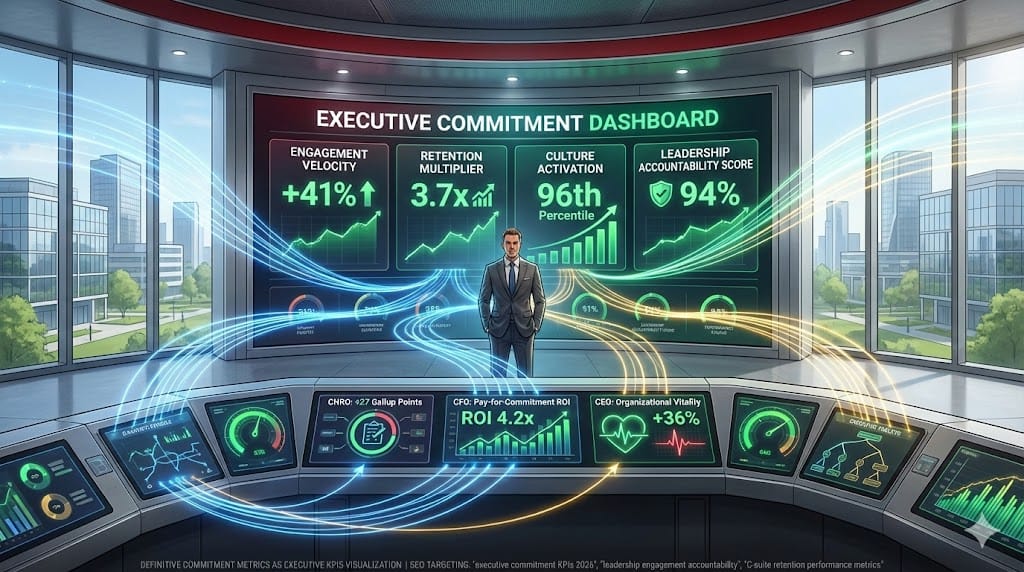
- How should engagement metrics weight executive performance reviews? A significant, quantifiable portion, reflecting the direct link between leadership and organizational performance, is advisable.
Behavioral Evidence of Culture Leadership
Moving beyond aspirational statements requires identifying specific, observable behaviors that demonstrate a leader’s commitment to fostering a positive workplace environment. Examples include promoting psychological safety, empowering teams, practicing transparent communication, encouraging inclusive decision-making, and resolving conflict constructively. When evaluating potential leaders, particularly through our refined executive search methodology at JRG Partners, we prioritize evidence of such actions.
Our clients frequently ask: What behavioral interview questions reveal culture leadership capability? We recommend utilizing advanced behavioral interview techniques (e.g., STAR method) and situational questions to uncover past actions and decision-making processes, thereby revealing a candidate’s true approach to team motivation and cultural challenges. Furthermore, conducting reference checks specifically probing a candidate’s impact on team morale, collaboration, and cultural contribution, beyond individual performance, provides invaluable insight into their track record.
- What track records prove leaders actually build engagement? Look for instances where leaders transformed team dynamics, improved retention, or significantly boosted internal survey scores in previous roles.
Hiring Protocols Targeting Commitment Builders
Redesigning job descriptions to explicitly include expectations around cultural leadership, team development, and workforce commitment is a critical first step. Developing interview panels that are diverse and rigorously trained to assess cultural fit and engagement-building capabilities, not just technical prowess, is equally vital. JRG Partners ensures our assessment processes incorporate behavioral assessments, leadership simulations, or case studies that require candidates to demonstrate their approach to team motivation and cultural challenges.
Structuring site visits or informal meetings to allow candidates to interact with various team members provides an authentic assessment of cultural alignment and mutual fit. This deliberate approach mitigates risk and enhances the probability of securing leaders who will actively enhance organizational values.
Onboarding New Leaders Into Existing Cultures
Implementing structured cultural immersion programs for new executives and senior leaders, detailing the organization’s unique values, norms, and history, is paramount for successful integration. Assigning cultural mentors or “buddies” from within the existing leadership team can effectively guide new hires through the initial integration phase. Clearly communicating organizational values and leadership expectations from day one, reinforced through ongoing dialogues, establishes a clear path for success.
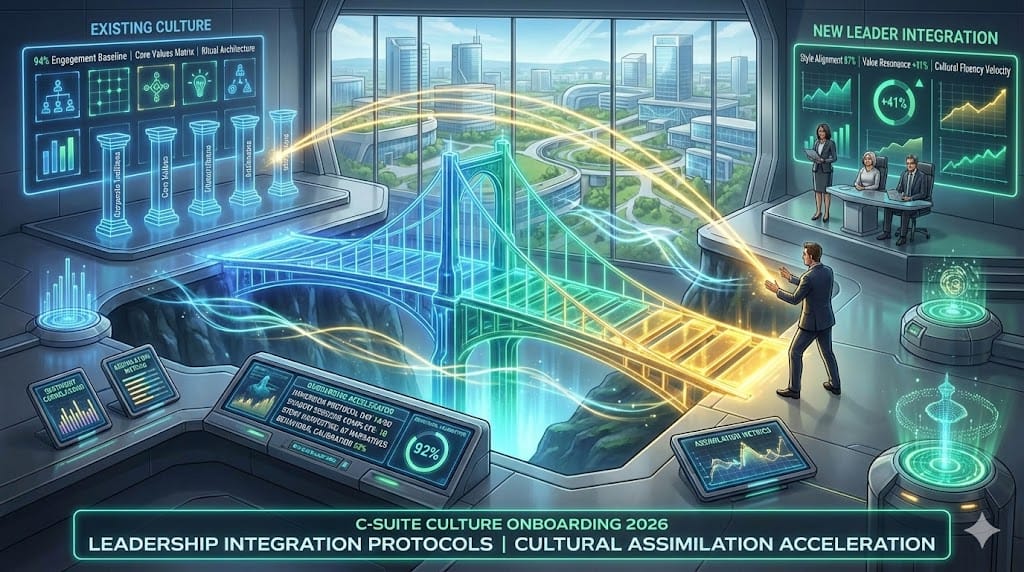
Providing tools and resources for fostering engagement, feedback, and team development as part of the onboarding toolkit ensures new leaders are equipped for their stewardship role. Which onboarding practices accelerate new leader culture integration? A robust, multi-faceted program focused on values alignment and early relationship building is consistently most effective.
Culture Alignment Across Distributed Teams
Addressing the unique challenges of maintaining a cohesive and engaged culture in remote, hybrid, or geographically dispersed work environments is a contemporary leadership imperative. Leaders play a critical role as connectors, communicators, and trust-builders across virtual distances, especially in the US where hybrid models are becoming standard. Strategies for fostering connection and shared purpose include virtual social events, asynchronous communication best practices, and ensuring equitable opportunities for all team members regardless of location.
Our data shows that only 22% of remote workers feel strongly connected to their company culture. This highlights a significant opportunity for leaders to refine what remote leadership practices sustain engagement scores and cultivate a unified corporate ethos, regardless of physical proximity.
Measuring Leadership Impact on Engagement Scores
Implementing robust 360-degree feedback and upward feedback mechanisms specifically designed to evaluate leadership behaviors related to culture and engagement is essential for accountability. Correlating changes in team commitment survey results with specific leader tenures, interventions, or initiatives provides tangible evidence of impact.
Establishing regular pulse surveys and qualitative feedback channels (e.g., skip-level meetings, focus groups) helps continuously monitor cultural health and leadership effectiveness. Research indicates that managers account for 70% of the variance in employee engagement scores, underscoring their direct influence.
- How does culture leadership predict financial performance? Strong culture, driven by effective leadership, correlates with higher profitability, lower turnover, and increased market valuation, making it a leading indicator.
Succession Planning for Culture Continuity
Integrating cultural leadership and alignment with core values as key criteria in high-potential identification and leadership development programs is paramount for long-term organizational health. Mentoring future leaders in the organization’s unique cultural DNA and proven strategies for fostering high workforce commitment ensures continuity. Building a talent pipeline that prioritizes both technical expertise and a deep commitment to, and embodiment of, desired cultural attributes creates resilient leadership.
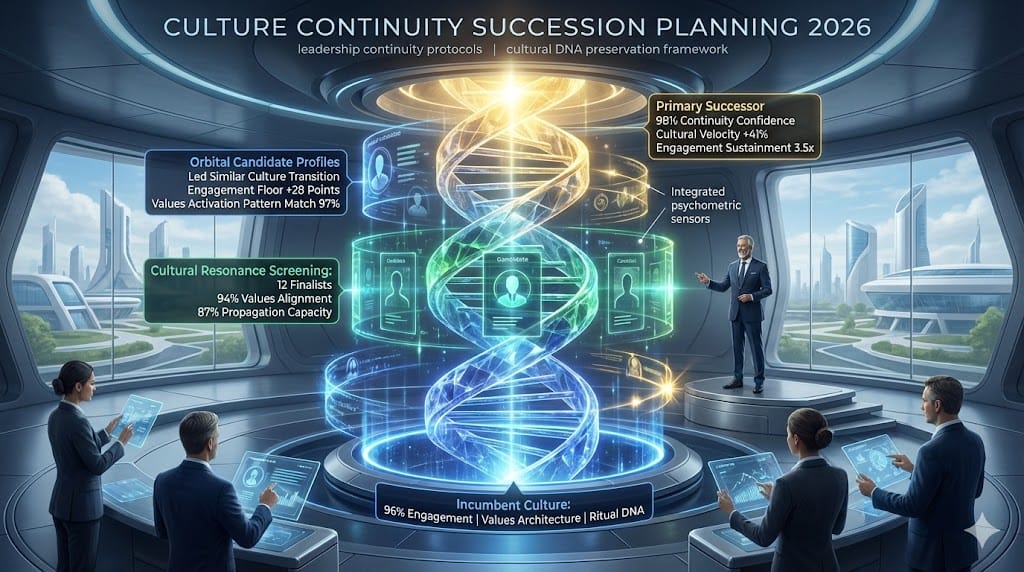
Ensuring smooth leadership transitions that reinforce, rather than disrupt, organizational culture and employee morale is a critical executive function. This proactive talent architecture ensures that leadership transitions bolster, rather than erode, the carefully cultivated cultural fabric of the enterprise. Furthermore, how do boards hold executives accountable for culture outcomes? Through clear KPIs, regular reporting on engagement and cultural health, and tying a portion of executive compensation directly to these strategic assets, ultimately driving value realization for shareholders.
Frequently Asked Questions (FAQs)
Q: Why is employee engagement more critical now than ever before?
A: In a dynamic, rapidly evolving global economy, engaged employees drive innovation, adaptability, and retention, offering a significant competitive advantage and enhancing organizational resilience against disruption. It’s a key differentiator in the US talent market.
Q: How can we effectively measure a candidate’s “culture fit” without risking unconscious bias?
A: Focus on observable behaviors, demonstrated values, and alignment with clearly defined organizational principles, rather than subjective personality traits. Utilize structured interviews, diverse assessment panels, and behavioral assessments to provide objective data. JRG Partners employs rigorous, bias-mitigating methodologies in executive search to ensure fair and accurate evaluation.
Q: What if a newly hired leader struggles to integrate into the existing culture or impact engagement positively?
A: Provide targeted coaching, mentorship, and clear, constructive feedback. If challenges persist despite dedicated support, a reassessment of their long-term fit and impact on the organization’s culture may be necessary, underscoring the importance of rigorous initial vetting. Early identification through robust onboarding is key.
Q: Is the increased effort in hiring for culture and engagement truly worth the investment?
A: Absolutely. The long-term strategic benefits of a highly engaged workforce—including higher productivity, lower voluntary turnover, increased innovation, superior customer satisfaction, and stronger financial performance—far outweigh the initial investment in a more thorough and deliberate hiring process. It is a fundamental investment in sustainable organizational growth and competitive advantage.
Building a resilient enterprise requires recognizing that corporate culture is not an HR afterthought, but a vital fiduciary duty for modern boards. At JRG Partners, we emphasize that companies prioritizing a purpose-driven workplace see a 4x increase in revenue growth, proving that organizational values directly dictate market valuation. To capture this competitive edge, boards must focus on hiring leaders who prioritize employee engagement and culture. By embedding key engagement indicators directly into executive dashboards alongside financial metrics, companies can hold senior management accountable for creating psychological safety, empowering distributed teams, and driving the long-term corporate effectiveness required to thrive in a shifting economic landscape.

Tanya Gallardo
Managing Director, Executive Search & AI Talent Strategy
Tanya Gallardo is the Managing Director of Executive Search & AI Talent Strategy at JRG Partners, leading C-suite and Board engagements across key growth sectors including Technology, Financial Services, and Manufacturing.
With over 18 years of experience specializing in disruptive technology leadership, Tanya is recognized as a leading authority on talent architecture for future-focused executive roles, such as the Chief AI Officer (CAIO) and Chief Digital Officer (CDO). Her expertise lies in accurately assessing the cultural fit and technical depth required to ensure a high return on investment (ROI) for critical leadership appointments.
Prior to her role at JRG Partners, Tanya held senior roles directing global talent acquisition strategies at a major publicly-traded technology firm, advising on organizational design and succession planning for emerging executive functions. She is a recognized speaker and contributor to industry events, sharing data-driven insights on executive compensation, leadership development, and the measurable business impact of C-suite talent.
