


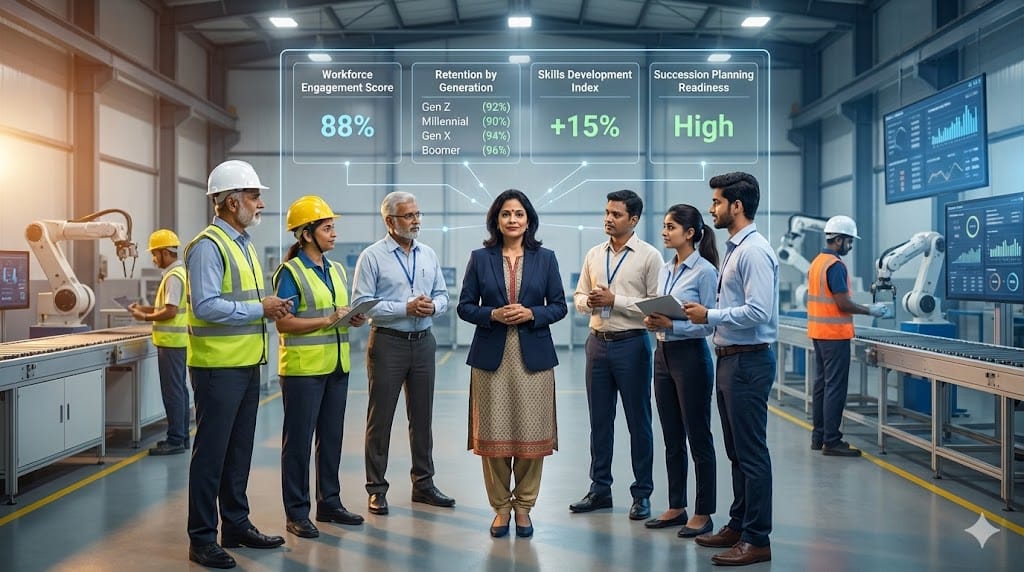
The contemporary US manufacturing landscape presents a dynamic interplay of talent, demanding a novel approach to human capital strategy. This advisory brief outlines the critical role of the Chief Human Resources Officer (CHRO) as a strategic architect in fostering multi-generational workforce cohesion within industrial operations.
Understanding how do CHROs retain Boomer factory knowledge before mass exits? is paramount, given the inevitable demographic shifts. Our analysis indicates that proactive talent management is not merely an HR function but a fiduciary duty essential for sustained organizational resilience and competitive advantage.
Key Takeaways: Redefining Talent Architecture
- CHROs are pivotal in transforming workforce diversity across age cohorts from a potential operational challenge into a strategic asset within US manufacturing operations.
- Proactive strategies for robust knowledge transfer, targeted skill development, and customized employee engagement are essential for each age cohort to thrive.
- Effective, multi-modal communication protocols and equitable compensation frameworks are critical for fostering a cohesive and productive industrial environment.
- Data-driven metrics and continuous evaluation are necessary to measure the success of multi-generational workforce initiatives and ensure continuous improvement and value realization.
- Strategic succession planning, including innovative approaches like reverse mentorship, ensures long-term operational resilience and robust leadership pipelines.
The Evolving US Factory Workforce Landscape
The US industrial sector is undergoing profound demographic shifts. We observe the simultaneous presence of up to five distinct generations—Traditionalists, Baby Boomers, Generation X, Millennials, and Generation Z—within the same production facilities. This unprecedented convergence presents unique challenges and opportunities in high-pressure, process-driven manufacturing environments that demand diverse skills and perspectives.
The CHRO’s mandate has consequently expanded dramatically. No longer confined to administrative HR functions, the modern CHRO acts as a strategic talent architect, driving organizational adaptability, performance, and long-term viability in an intensely competitive US talent market. Their expertise in talent acquisition and development is critical, a domain where JRG Partners frequently partners with Boards to secure transformational CHRO talent.
The Strategic Imperative: Why Multi-Generational Workforce Management Matters Now
Ignoring generational dynamics is no longer an option. Effective multi-generational management is a strategic imperative for several reasons:
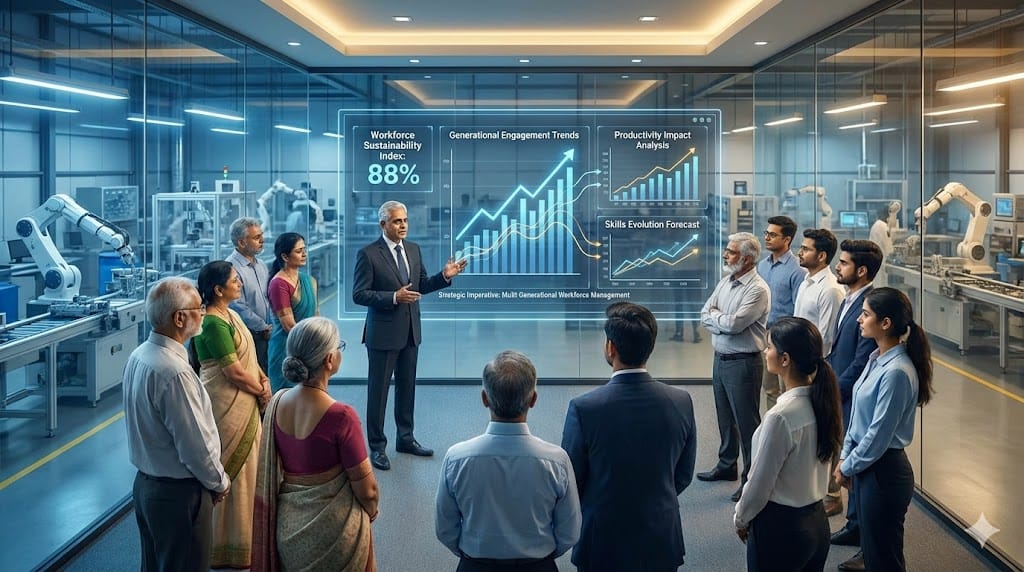
- Maintaining operational continuity and fostering innovation through diverse perspectives.
- Leveraging varied experiences for improved problem-solving and efficiency gains across the entire value chain.
- Mitigating critical talent gaps and skill shortages amidst rapid technological advancements and the looming retirement wave.
Diagnosing Generational Friction in Factory Operations
Identifying common flashpoints is the first step toward resolution. These often include differing perceptions of work ethic, varied technology adoption rates, distinct communication styles, and evolving career expectations. CHROs must employ sophisticated tools for assessment, such as anonymous employee surveys segmented by age, structured focus groups, analysis of exit interview data, and observation of team dynamics.
Early warning indicators include increased interpersonal conflict, siloed work groups, higher turnover in specific age cohorts, and resistance to new processes. A recent industry analysis found that 60% of manufacturing leaders identify generational communication differences as a significant barrier to team cohesion. This underscores the urgency of proactive diagnostic strategies.
Retention Strategies for Aging-Out Boomer Expertise
The impending retirement of Baby Boomers represents a critical loss of institutional knowledge and operational expertise. Strategic retention involves:
- Phased Retirement Programs: Offering flexible work arrangements, part-time schedules, and consulting roles to enable a gradual transition from full-time employment, preserving invaluable tribal knowledge.
- Formalizing Knowledge Transfer: Implementing robust mentorship programs, comprehensive documentation initiatives, and specialist advisory positions to ensure critical skills and historical context are effectively passed down. Companies with robust knowledge transfer programs report a 30% faster onboarding time for new hires.
- Recognition and Value Proposition: Highlighting their invaluable institutional knowledge, experience, and historical context through awards and leadership forums, reinforcing their value.
JRG Partners specializes in executive search for senior operational leadership, understanding that the effective management and transition of an experienced workforce is crucial for maintaining competitive edge. We often advise clients on structuring roles that bridge generational gaps, ensuring seamless leadership succession.
Upskilling Millennials for Supervisory Transitions
Millennials are rapidly moving into leadership roles, necessitating targeted development. Key initiatives include:
- Targeted Leadership Development: Programs focused on project management, lean manufacturing principles, conflict resolution, and empathetic leadership for the digital age, tailored to the unique demands of the production environment. Our research consistently highlights the need for tailored upskilling paths that prepare Millennials for factory supervision.
- Cross-Functional Rotational Assignments: Providing exposure to various factory operations and management styles, building a holistic understanding of the business.
- Mentorship and Coaching: Pairing aspiring Millennials with experienced senior leaders (traditional forward mentorship) to accelerate growth and strategic acumen.
Engaging Gen Z Through Purpose-Driven Automation
Gen Z, as digital natives, possesses distinct career drivers. Engaging this cohort effectively requires a nuanced approach:
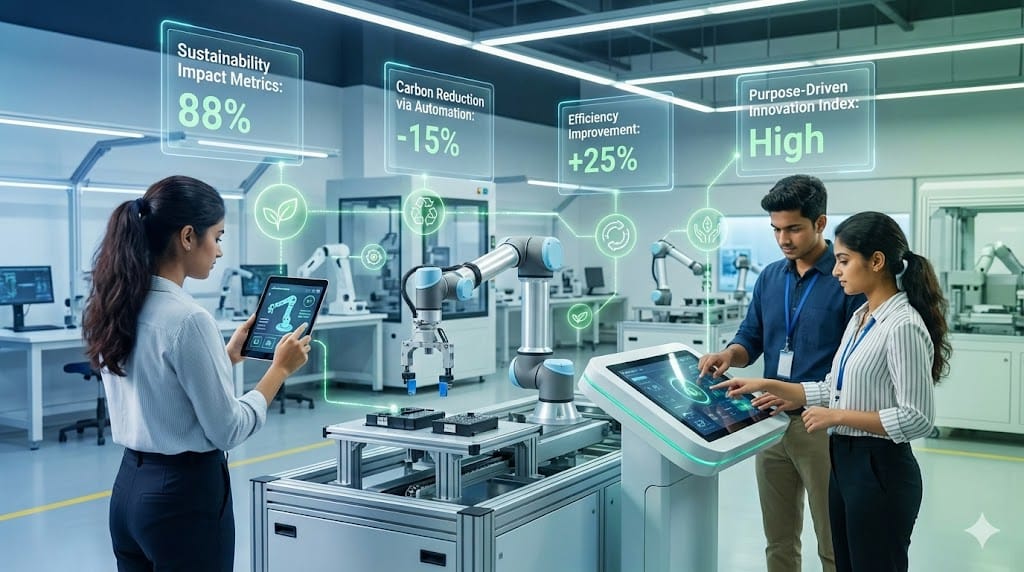
- Connecting Factory Work to Broader Impact: Highlighting sustainability efforts, ethical manufacturing practices, and the societal value of produced goods resonates deeply with this generation’s values. Understanding which incentives attract Gen Z to manufacturing careers? goes beyond traditional compensation.
- Integrating Advanced Technology: Providing opportunities to work with robotics, Artificial Intelligence, data analytics, and digital twin simulations, leveraging their innate comfort with technology.
- Fostering Innovation: Creating platforms for feedback, suggestions, and involvement in process improvement initiatives that empower their collaborative spirit. It’s noteworthy that 70% of Gen Z workers prioritize purpose and impact over salary in their career choices.
Communication Protocols Across Age Cohorts
Effective communication is the bedrock of inter-generational collaboration. Establishing clear communication protocols that bridge age cohorts is vital:
- Tailoring Communication Channels: Utilizing a multi-modal approach, from traditional bulletin boards and emails to modern instant messaging platforms (e.g., MS Teams), to ensure messages reach all generations effectively. Critically, how should communication adapt across 40-year age spans? is a question that requires continuous refinement.
- Establishing Clear Expectations: Defining preferred methods and response times for urgent versus non-urgent communication, minimizing misunderstandings.
- Training Managers: Equipping frontline and mid-level leaders with skills for inter-generational communication, active listening, and conflict resolution, fostering an inclusive dialogue.
- Promoting Multi-Directional Feedback Loops: Encouraging open dialogue from all levels and age groups.
Succession Planning Through Reverse Mentorship
Reverse mentorship represents an innovative approach to both succession planning and digital transformation within the industrial sector:
- Implementing Structured Pairings: Matching younger, digitally native employees with older, experienced workers creates a symbiotic learning environment. This addresses the question of what reverse mentorship accelerates digital adoption?
- Mutual Benefits: Younger employees impart essential digital skills (e.g., new software, data literacy) while older employees share invaluable operational insights, company history, and process expertise.
- Breaking Down Hierarchical Barriers: Fostering mutual respect, understanding, and collaboration across the age spectrum. Organizations with active reverse mentorship programs report a 25% improvement in cross-functional collaboration.
Compensation Alignment Across Life Stages
A comprehensive compensation alignment strategy must recognize the diverse financial priorities and life stages of a multi-generational workforce. This includes:
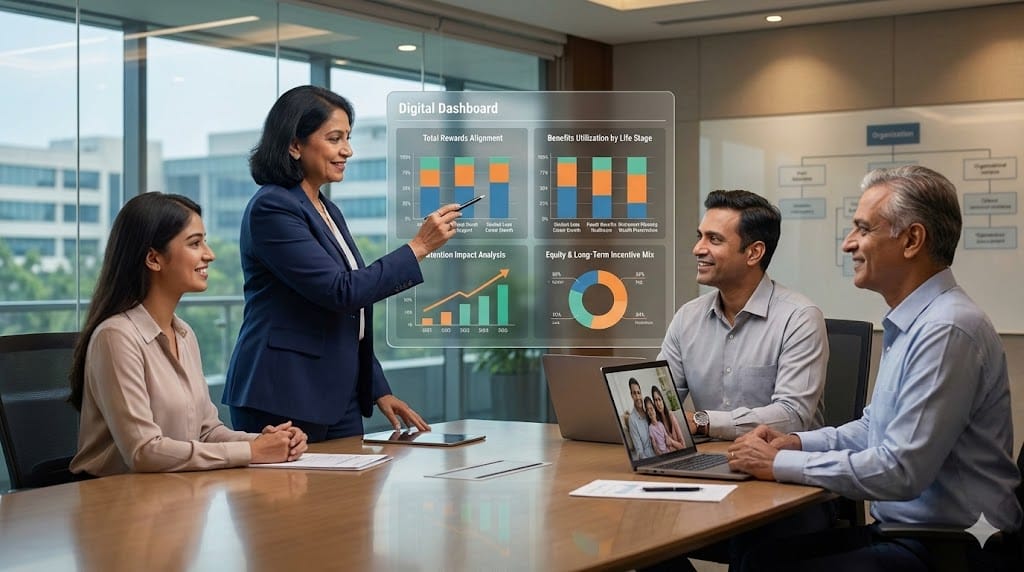
- Understanding Diverse Financial Priorities: Addressing concerns ranging from student loan debt and family planning costs to housing aspirations and retirement savings. Effectively, which compensation models balance generational expectations? is a complex question with no single answer.
- Flexible Benefits Packages: Offering customizable options for health coverage, parental leave, tuition reimbursement, and robust retirement planning solutions.
- Transparent Pay Structures: Ensuring fairness and understanding regarding salary bands, performance-based incentives, and long-term rewards, crucial for maintaining trust and equity.
Leveraging Technology for Inter-Generational Collaboration
Technology serves as a powerful enabler for enhanced collaboration and efficiency:
- Implementing Unified Collaboration Platforms: Utilizing tools like Microsoft Teams or Slack for project management, real-time communication, and streamlined knowledge sharing, breaking down digital silos.
- Virtual and Augmented Reality (VR/AR): Enhancing training, remote assistance, and complex task guidance, making learning and execution more accessible and intuitive for all generations.
- Data Analytics and AI: Using insights to identify workforce trends, predict skill gaps, and personalize learning pathways, optimizing human capital deployment. The strategic impact of how AI will reshape generational workforce dynamics by 2030? is a key area of ongoing research for JRG Partners.
Measuring Multi-Gen Workforce Cohesion Metrics
To demonstrate return on investment in these strategic initiatives, robust measurement is essential. CHROs must establish clear performance metrics:
- Employee Engagement Scores: Segmented by generation to identify specific satisfaction and dissatisfaction points, providing actionable insights.
- Turnover Rates: Analyzing attrition across different age groups to pinpoint retention challenges and evaluate the effectiveness of targeted programs.
- Productivity and Quality Metrics: Assessing team performance and innovation output in multi-generational teams, directly linking HR strategy to operational outcomes.
- Internal Promotion Rates: Tracking the advancement of talent across all generations, ensuring equitable growth opportunities.
- Sentiment Analysis: Gauging feelings of inclusion, belonging, and psychological safety, crucial for a thriving workplace milieu. Addressing the fundamental question of what metrics track multi-gen factory team performance? requires a holistic view. Highly engaged multi-generational teams are 21% more profitable than less engaged teams.
The CHRO’s Strategic Playbook: From Diagnosis to Dynamic Management
The role of the CHRO in leading organizational transformation for multi-generational success is non-negotiable. Their strategic playbook must encompass:
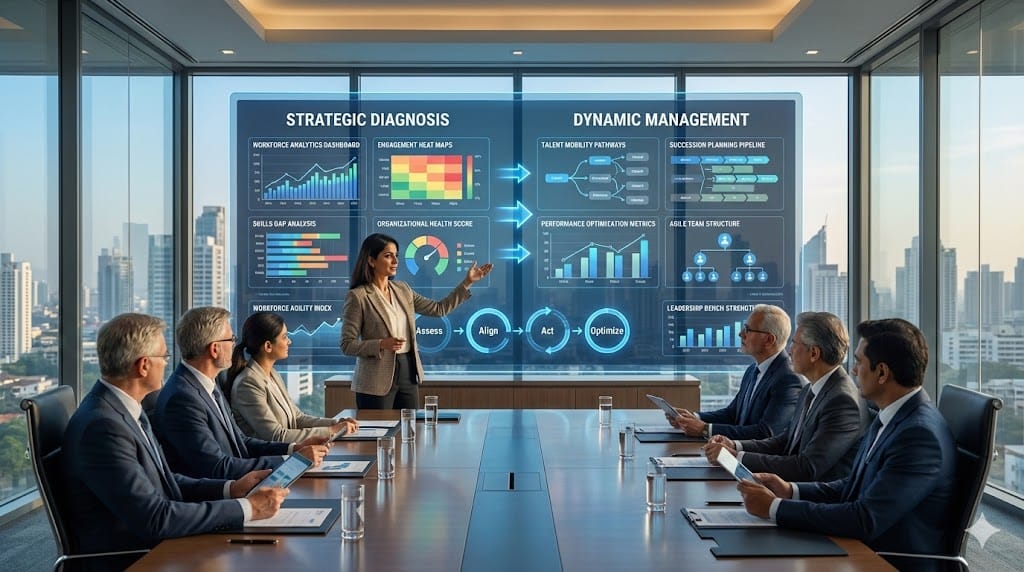
- Continuous Assessment and Adaptation: Regularly reviewing strategies based on evolving workforce demographics, technological advancements, and operational needs.
- Championing a Culture of Lifelong Learning: Promoting skill development and cross-generational knowledge exchange as continuous processes, fostering adaptability.
- Positioning the Factory as an Attractive Workplace: Creating an inclusive environment that appeals to and retains talent from every generation, ensuring a robust talent pipeline for the future of US manufacturing.
JRG Partners stands ready to assist your organization in identifying and placing CHROs who possess the strategic acumen to navigate these complex talent dynamics, ensuring your manufacturing enterprise achieves peak performance and enduring success.
FAQs for Board Consideration
Q: How can we quickly identify generational friction points on the factory floor?
A: Implement anonymous pulse surveys focused on workplace satisfaction, communication preferences, and perceived fairness. Conduct small, facilitated focus groups representing each generation, led by neutral HR personnel. Observe common complaints or misunderstandings in daily operations and team meetings. The key is anonymity and psychological safety for honest feedback.
Q: What is the biggest challenge in retaining experienced, aging-out workers, and how can CHROs overcome it?
A: The biggest challenge is often the perceived lack of flexible options or feeling undervalued. CHROs can overcome this by proactively offering phased retirement plans, part-time consultancy roles, and structured opportunities to mentor younger employees. Emphasize the unique value of their institutional knowledge and experience through formal recognition programs.
Q: Is reverse mentorship truly effective in a manufacturing environment, and how do we implement it successfully?
A: Yes, reverse mentorship can be highly effective. It breaks down silos, fosters mutual learning (e.g., tech skills for older workers, operational insights for younger ones), and builds cross-generational understanding. Success hinges on clear objectives, voluntary participation, structured pairing based on specific skill gaps and needs, and explicit training on respectful, two-way communication.
Q: How do we quantify the ROI of investing in multi-generational workforce strategies?
A: ROI can be measured through several metrics: reduced turnover rates (especially across age groups), increased employee engagement scores, improved productivity and quality output, faster skill development and onboarding time for new hires, and the successful transfer of critical knowledge. Look for correlations between these metrics and specific multi-generational initiatives, linking them to bottom-line impact.
Q: What immediate actions can a CHRO take to improve multi-generational dynamics in a factory setting?
A: Start with a comprehensive communication audit to identify preferred channels and common misunderstandings. Launch a pilot reverse mentorship program in a specific unit. Train frontline managers on inter-generational communication best practices and conflict resolution. Ensure recognition programs acknowledge contributions from all age groups, promoting an inclusive culture.
As industrial enterprises accelerate automation, HR executives face the unique challenge of managing a wide age gap on the factory floor, where legacy operational knowledge sits alongside digital tech skills. At JRG Partners, we recognize that a uniform talent strategy fails to address the differing motivations, work styles, and training needs of a mixed-age team. To build a unified culture, industrial organizations must redefine the CHRO’s role in managing a multi-generational factory workforce. By designing custom communication paths, setting up structured peer-mentorship programs, and updating performance incentives, HR leaders can smoothly bridge generational gaps, lower frontline attrition, and protect long-term corporate effectiveness.

Tanya Gallardo
Managing Director, Executive Search & AI Talent Strategy
Tanya Gallardo is the Managing Director of Executive Search & AI Talent Strategy at JRG Partners, leading C-suite and Board engagements across key growth sectors including Technology, Financial Services, and Manufacturing.
With over 18 years of experience specializing in disruptive technology leadership, Tanya is recognized as a leading authority on talent architecture for future-focused executive roles, such as the Chief AI Officer (CAIO) and Chief Digital Officer (CDO). Her expertise lies in accurately assessing the cultural fit and technical depth required to ensure a high return on investment (ROI) for critical leadership appointments.
Prior to her role at JRG Partners, Tanya held senior roles directing global talent acquisition strategies at a major publicly-traded technology firm, advising on organizational design and succession planning for emerging executive functions. She is a recognized speaker and contributor to industry events, sharing data-driven insights on executive compensation, leadership development, and the measurable business impact of C-suite talent.
