



In an increasingly complex and demanding US corporate landscape, the oversight of executive well-being has transcended its traditional classification as solely a human resources function. It is now a critical, strategic imperative, inextricably linked to organizational stability, leadership continuity, and long-term shareholder value creation.
As your trusted partner in talent architecture, JRG Partners provides this analysis to underscore the profound impact of executive health on strategic execution and risk mitigation. A pivotal question for contemporary governance is: What constitutes board-level responsibility for CEO well-being? This isn’t merely a compassionate concern but a core fiduciary duty to safeguard the enterprise’s most valuable human capital assets against the pervasive threat of leadership burnout.
Our research, aligned with insights from premier business thought leaders, indicates a paradigm shift in governance where proactive engagement in fostering a resilient executive team is non-negotiable. It protects against operational disruptions, reputational damage, and ethical compromises, fostering a sustainable leadership model vital for enduring success in the fiercely competitive US market.
Executive Burnout: A Board-Level Systemic Risk
The pervasive nature of executive burnout poses a significant systemic risk, directly impacting an organization’s strategic trajectory and operational efficacy. Boards must recognize that unchecked burnout can undermine the very foundations of corporate health.
- It severely impairs critical decision-making, clouding strategic clarity and diminishing organizational foresight, leading to suboptimal outcomes.
- Elevates the risk of costly leadership errors, potential ethical lapses, and severe reputational damage, which can erode public trust and market capitalization.
- Contributes significantly to executive turnover, destabilizing leadership teams, disrupting strategic initiatives, and hindering robust talent pipelines crucial for future growth.
- Unseen costs proliferate through decreased productivity, innovation stagnation, and a pervasive decline in overall employee morale, impacting the entire organizational ecosystem.
- Beyond operational concerns, there are clear legal and fiduciary implications regarding the board’s inherent duty of care for the health and sustainability of its executive leaders.
Consider the profound implications: when executive leaders are nearing exhaustion, their capacity for sound judgment is compromised, and the organization becomes vulnerable. Boards must ask themselves: Which burnout indicators should trigger board intervention? Proactive identification and mitigation are paramount.
Governance Protocols for Comprehensive Well-being Oversight
Effective governance demands structured protocols to integrate executive well-being into board-level oversight. This requires a dedicated, continuous approach, moving beyond ad-hoc discussions to embedded frameworks.
- Establish a dedicated board committee, such as the Nominating & Governance or Human Capital Committee, with explicit responsibilities for well-being oversight, or formally assign these duties within existing charters.
- Develop formal, confidential policies for continually monitoring and supporting executive health, building a foundation of trust essential for open communication.
- Regularly integrate executive well-being discussions into formal board meeting agendas, shifting the focus towards systemic issues and preventative strategies rather than reactive measures.
- Implement secure, anonymous feedback mechanisms and aggregated, non-identifiable well-being metrics for objective board review, safeguarding individual privacy while informing strategic action.
- Ensure that well-being considerations are explicitly embedded within the charters and performance expectations of the CEO and the broader executive team, strengthening governance frameworks around human capital.
Integrating CEO Health into Succession Planning
A resilient succession strategy in the US market must fundamentally account for executive health. This forward-looking approach ensures seamless leadership transitions and mitigates unforeseen risks.

- Proactively identify and mitigate potential health-related risks for the CEO and key executives as an intrinsic component of comprehensive succession planning integration.
- Develop robust emergency succession protocols that specifically account for unexpected health-related absences or transitions, ensuring organizational continuity.
- Establish confidential channels for discreet board-level discussion and support regarding CEO health, fostering an environment of trust and proactive management.
- Encourage preventative health screenings and ensure access to top-tier medical and psychological support for the CEO, viewing these as essential investments in leadership longevity.
- Beyond individual health, continuously assess the overall health and resilience of the executive leadership bench as a strategic asset, ensuring depth and readiness.
At JRG Partners, our deep expertise in executive search and leadership advisory emphasizes identifying candidates who not only possess exceptional strategic acumen but also demonstrate the resilience and self-awareness crucial for sustained high performance. We assist leading US corporations in building robust talent architectures that proactively integrate health and longevity into every layer of executive leadership.
Therefore, a critical strategic question is: How do boards integrate executive health into succession planning? This integration is vital for mitigating risks related to unexpected leadership transitions.
Performance Metrics Beyond Financial Results
To truly measure sustainable leadership, boards must evolve their performance metrics to encompass more than just short-term financial outcomes. A holistic view is essential for long-term value creation.
- Incorporate non-financial Key Performance Indicators (KPIs) directly related to leadership effectiveness, holistic employee engagement, and a thriving organizational culture.
- Measure vital metrics such as innovation capacity, talent retention rates across all levels, and the effectiveness of internal leadership development programs.
- Integrate sophisticated 360-degree feedback and qualitative assessments that include critical dimensions of sustainable leadership, team cohesion, and executive well-being.
- Shift the strategic focus from solely short-term financial gains to the expansive goal of long-term value creation, underpinned by a healthy, engaged, and resilient human capital base.
What non-financial metrics reveal leadership sustainability? The answer lies in indicators that reflect the health of the entire organizational ecosystem, not just the balance sheet.
Executive Assessment Including Resilience Indicators
A forward-thinking approach to executive development includes comprehensive assessments that move beyond traditional performance reviews to evaluate resilience and adaptability.
- Encourage voluntary and strictly confidential executive health assessments, encompassing both physical and crucial mental well-being components.
- Utilize advanced psychometric tools and assessments designed to evaluate stress coping mechanisms, emotional intelligence, and critical adaptability in high-pressure environments.
- Develop personalized well-being plans as an integral part of executive development and ongoing performance review processes, treating resilience as a trainable skill.
- Foster board understanding of the entire “human capital risk profile” and strategically devise initiatives to significantly enhance overall executive resilience across the organization.
Which assessment tools measure C-suite resilience capacity? The market offers sophisticated options, and JRG Partners assists boards in selecting and implementing validated methodologies to ensure executive fortitude.
Strategic Workload Distribution and Capacity Management
The board bears a direct responsibility in ensuring that the strategic ambition of the organization does not lead to executive overload. Prudent capacity management is a governance imperative.
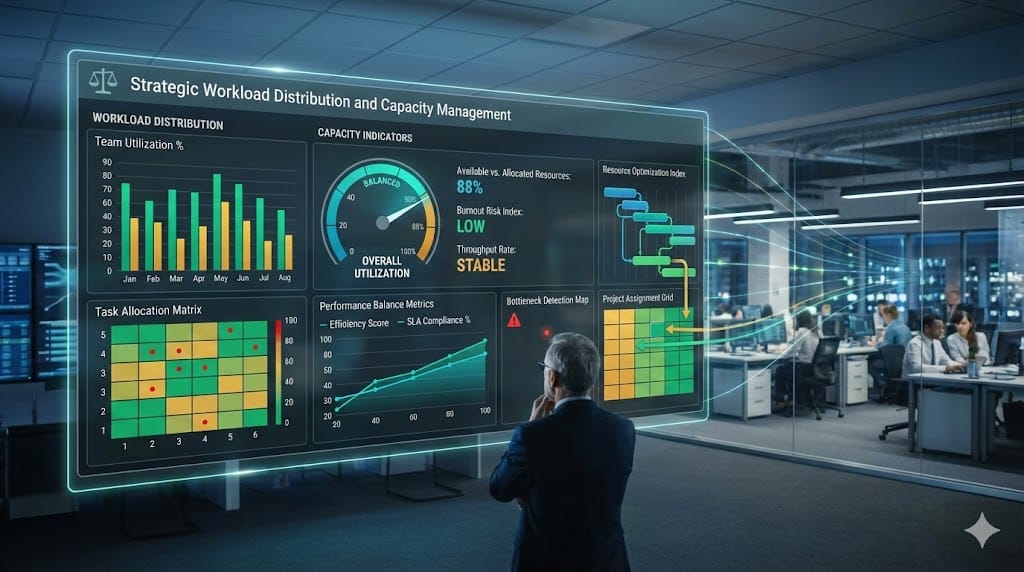
- The board’s critical role includes evaluating strategic initiatives and resource allocation to prevent systemic executive overload, ensuring realistic expectations.
- Regularly review the executive team structure, delegation practices, and decision-making processes to ensure optimal capacity management and prevent single points of failure.
- Set realistic expectations for executive availability and responsiveness, actively challenging the detrimental “always-on” culture prevalent in many US corporations.
- Promote mandatory strategic breaks, sabbaticals, and dedicated downtime to prevent chronic fatigue and safeguard against cognitive decline among senior leaders.
- Assess the potential impact of major corporate activities, such as M&A activities or significant digital transformations, on executive bandwidth and mental load, emphasizing effective workload distribution.
How should boards govern executive workload distribution? It demands a proactive, analytical approach that aligns strategic goals with human capacity.
External Coaching and Robust Support Resources
Investing in external, impartial support systems is a critical component of a comprehensive executive well-being strategy, offering a safe and confidential avenue for leaders.
- Provide confidential access to independent, highly qualified executive coaches, mentors, and specialized mental health professionals, ensuring impartiality and expertise.
- Guarantee a robust confidentiality framework and a strictly non-punitive environment for executives who proactively seek external support resources, fostering trust and encouraging utilization.
- Fund and actively promote comprehensive well-being programs that extend significantly beyond basic employee benefits, reflecting the unique pressures faced by senior leaders.
- Crucially, board endorsement of seeking professional help must be cultivated as a clear sign of strength, proactive leadership, and strategic self-management, not weakness.
What external resources prevent executive burnout crises? The answer lies in a combination of high-caliber coaching, mentorship, and discreet psychological support, all endorsed and facilitated at the board level.
Cultivating a Culture of Sustainable Leadership Modeling
Ultimately, the board’s most powerful influence is in shaping a culture where sustainable leadership is not just an aspiration but a lived reality, modeled from the top down.
- Board members must lead by example, overtly demonstrating healthy work-life integration and a profound respect for personal boundaries.
- Champion organizational policies and practices that explicitly promote well-being and psychological safety across all levels of the enterprise.
- Actively recognize and reward sustainable leadership practices that consistently prioritize long-term health and strategic resilience over unsustainable short-term gains.
- Foster an environment where vulnerability is accepted, and open discussions about professional and personal challenges are encouraged without fear of reprisal.
- Shape an organizational ethos that profoundly views human capital – particularly its senior leadership – as its most valuable and delicate strategic asset, deserving of vigilant protection and investment.
At JRG Partners, we specialize in partnering with leading US corporations to identify, assess, and place executive talent that aligns not only with strategic objectives but also with the imperative of sustainable leadership. Our rigorous assessment methodologies ensure candidates possess both strategic acumen and the resilience necessary for sustained performance in today’s demanding US corporate environment.
We help design talent architecture that integrates well-being at its core, ensuring the longevity and effectiveness of your leadership pipeline. With over two decades of experience, JRG Partners has a proven track record of securing transformative leaders who drive enduring value.
Critical Insights: Executive Burnout in the US Corporate Landscape
Impact of Burnout: Approximately 77% of US executives report experiencing burnout at their current job, with 20% feeling it often or always. This pervasive issue signals a systemic challenge demanding immediate board attention.

Financial Toll: The annual cost of burnout to organizations in healthcare spending alone is estimated to be between $125 billion and $190 billion. This staggering figure underscores the direct financial implications of neglecting executive well-being.
Turnover & Replacement Costs: Burnout is a significant factor in 50% of voluntary executive turnover in the US, with replacement costs often exceeding 150-200% of the executive’s annual salary. Such churn severely impacts organizational stability and talent pipelines.
Innovation & Profitability: Organizations with high executive well-being scores typically report 2.5x higher innovation rates and 30% higher operating margins over a five-year period. This highlights the clear correlation between leadership health and sustained enterprise success.
Addressing Key Board Considerations for Executive Well-being
What is the board’s legal responsibility regarding executive well-being?
Boards have an expanding fiduciary duty to oversee human capital risk, executive health, and succession planning. Neglecting these areas could have significant legal and governance implications, making executive well-being a direct board imperative in the US legal framework.
How can the board assess executive well-being without infringing on privacy?
Boards can leverage aggregated, anonymized data (e.g., utilization rates of support programs), engage third-party confidential assessments, and review qualitative reports from HR or external coaches (without disclosing specific medical details). The focus should remain on systemic well-being trends and risk factors, not individual health records.
What if a CEO refuses to address burnout concerns?
This represents a critical governance issue demanding board intervention. The board has a responsibility to act, potentially through confidential direct discussion, offering mandated support, or, in extreme cases, reassessing the CEO’s continued fitness for leadership, given the potential severe impact on the entire organization and its stakeholders.
How does promoting executive well-being align with shareholder value?
Healthy, resilient executives make superior strategic decisions, cultivate a positive and productive corporate culture, fuel innovation, and ensure vital leadership stability. These factors are all direct drivers of long-term shareholder value and robust risk mitigation.
What are the first steps a board can take to integrate well-being into its oversight?
Initial actions include establishing executive well-being as a standing agenda item, assigning a dedicated board-level owner for this strategic topic, conducting a preliminary human capital risk assessment, and exploring the implementation of confidential executive support programs.
Conclusion: A Future-Focused Mandate for Board Governance
The board’s role in safeguarding executive well-being is no longer a peripheral concern but a central pillar of modern corporate governance. It is a strategic imperative that directly impacts a corporation’s ability to navigate complexity, innovate, and achieve sustained success in the US market. By proactively integrating well-being into governance frameworks, succession planning, and performance metrics, boards can foster a truly resilient and sustainable leadership team.
As we look to the future, the integration of advanced analytics and technology in leadership oversight will only grow. It raises the pertinent question: Will AI monitoring become standard for executive well-being? While data privacy and ethical considerations will remain paramount, boards must stay abreast of evolving tools to support their oversight functions, always prioritizing human capital health. JRG Partners remains committed to guiding our clients through these complex challenges, ensuring their executive talent architecture is not just robust, but also deeply resilient and prepared for the future. By leveraging advanced analytics, organizations can proactively address burnout and performance plateaus, ensuring that their executive search and retention strategies are informed by objective, data-driven insights that safeguard an enterprise’s most critical assets.

Tanya Gallardo
Managing Director, Executive Search & AI Talent Strategy
Tanya Gallardo is the Managing Director of Executive Search & AI Talent Strategy at JRG Partners, leading C-suite and Board engagements across key growth sectors including Technology, Financial Services, and Manufacturing.
With over 18 years of experience specializing in disruptive technology leadership, Tanya is recognized as a leading authority on talent architecture for future-focused executive roles, such as the Chief AI Officer (CAIO) and Chief Digital Officer (CDO). Her expertise lies in accurately assessing the cultural fit and technical depth required to ensure a high return on investment (ROI) for critical leadership appointments.
Prior to her role at JRG Partners, Tanya held senior roles directing global talent acquisition strategies at a major publicly-traded technology firm, advising on organizational design and succession planning for emerging executive functions. She is a recognized speaker and contributor to industry events, sharing data-driven insights on executive compensation, leadership development, and the measurable business impact of C-suite talent.
